For the chronically stressed urbanite, the vague advice to “get some fresh air” falls short. This guide goes deeper, revealing how a structured 20-minute nature session can serve as a potent physiological reset. By understanding and applying specific principles—from inhaling botanical compounds to direct skin-to-earth contact—you can consciously trigger your body’s relaxation response, measurably lowering cortisol and recalibrating an overwhelmed nervous system without needing a trip to the wilderness.
The feeling is familiar to many urban dwellers: a state of being simultaneously “wired and tired.” Your mind races with digital notifications and deadlines, while your body sinks under a wave of exhaustion. Cortisol, the primary stress hormone, runs high, keeping you in a perpetual state of fight-or-flight. Well-meaning advice often suggests a simple walk or getting some fresh air, but these recommendations rarely explain the potent science behind nature’s restorative power.
The truth is, a deliberate and informed approach to nature exposure transforms it from a pleasant diversion into a targeted therapeutic tool. It’s not about escaping the city; it’s about using nature as a precise biological instrument to recalibrate your internal systems. The key is to move beyond passive presence and engage in practices that trigger specific physiological responses, turning the air you breathe and the ground you touch into active agents of healing.
But what if the true antidote isn’t just seeing green, but understanding the mechanisms at play? What if you could learn to orchestrate a physiological reset for your nervous system in just 20 minutes? This guide is built on that premise. We will move past the platitudes and explore the scientific foundations of nature therapy—from the immunological effects of forest air to the neurological impact of natural patterns—to give you a practical toolkit for stress reduction.
To help you master this practice, this article breaks down the core scientific principles and actionable techniques. The following sections will guide you through the specific mechanisms that make nature a powerful tool for lowering cortisol and restoring balance.
Summary: How to Use Nature Immersion Therapy to Lower Cortisol in 20 Minutes?
- Why Breathing Forest Air Boosts Your Killer T-Cells?
- How to Practice the “Sit Spot” Technique to Reset Your Attention Span?
- City Park vs. Wild Forest: Do You Need True Wilderness to Heal?
- The Lyme Fear: How to Enjoy Nature Without Paranoia?
- When to Take Your Shoes Off to Maximize the Grounding Effect?
- Weekend Camping vs. Melatonin: Which Resets Your Clock Faster?
- How to Use the Double-Inhale Breathing Technique to Kill Stress in 30 Seconds?
- How to Trigger Parasympathetic Activation Before Bed for Deep Rest?
Why Breathing Forest Air Boosts Your Killer T-Cells?
The restorative power of a forest begins with the very air you inhale. It’s not just cleaner; it is a form of aerosolized medicine. Trees, especially conifers like pine and cypress, release volatile organic compounds called phytoncides to protect themselves from pests and disease. When we walk through a forest, we breathe in these compounds, and they have a direct, measurable effect on our physiology, particularly our immune system. This goes far beyond a simple feeling of freshness; it is a profound biochemical interaction.
These phytoncides have been shown to increase the activity of our Natural Killer (NK) cells, a type of white blood cell critical to the immune response. NK cells are our frontline defense, tasked with eliminating virus-infected cells and tumor cells. By boosting their activity and number, forest air directly enhances our body’s ability to fight off illness. This effect is a cornerstone of the Japanese practice of *Shinrin-yoku*, or “forest bathing,” where the goal is to immerse oneself in the forest atmosphere for therapeutic benefit.
The evidence for this is compelling. A landmark study demonstrated this effect even outside a natural forest setting. Researchers vaporized hinoki cypress oil in a hotel room for three nights and found that subjects showed a significant increase in NK cell activity and other immune-boosting cells, while their stress hormone levels decreased. This proves that the phytoncides themselves are a key active ingredient, capable of triggering a powerful immune and anti-stress response, turning a simple breath of air into a tool for resilience.
How to Practice the “Sit Spot” Technique to Reset Your Attention Span?
In our hyper-connected urban lives, our attention is constantly fragmented by notifications, advertisements, and rapid-fire information. This leads to directed attention fatigue, a state where the brain’s ability to focus is depleted. Nature offers a powerful antidote through a process called Attention Restoration Theory (ART). It posits that exposure to natural environments provides “soft fascination,” engaging our attention effortlessly and allowing our directed-attention capabilities to recover.
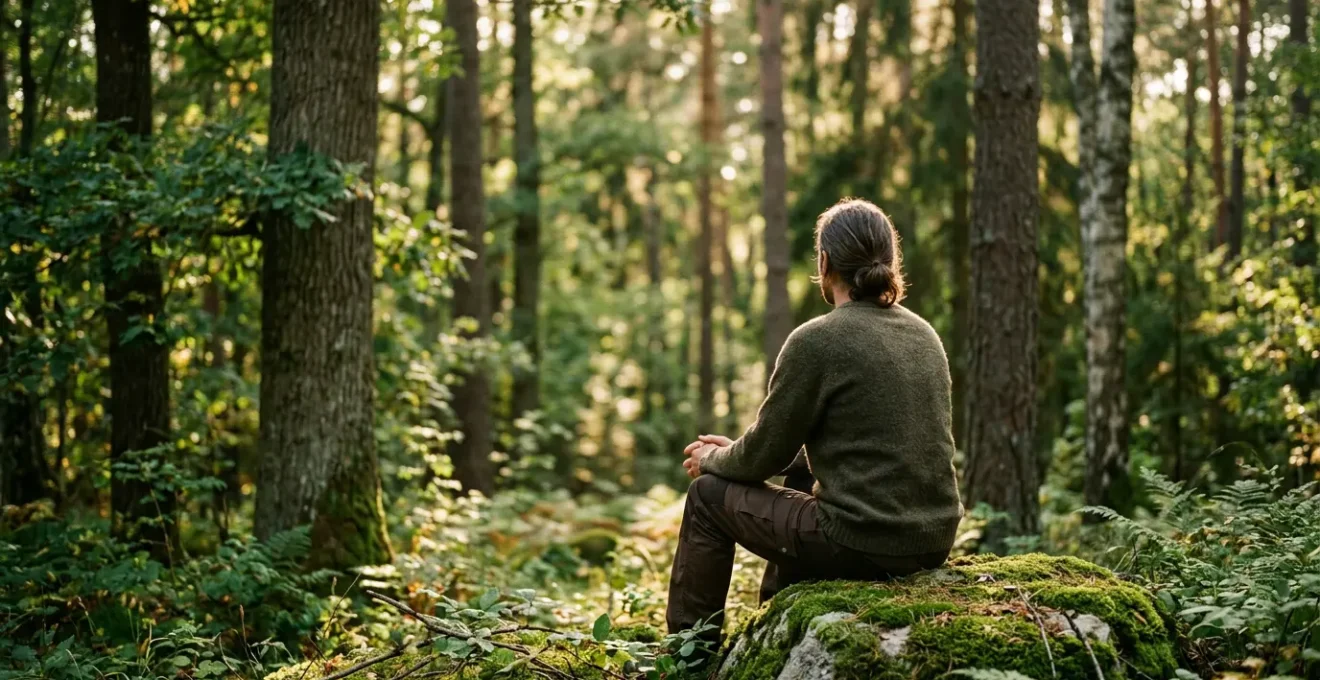
A simple yet profound way to harness this is the “sit spot” technique. It involves finding a comfortable place in nature—even a quiet corner of a park—and simply sitting and observing for 15-20 minutes. The goal is not to empty your mind, but to gently guide your focus to the sensory details around you: the intricate branching of a tree, the movement of a cloud, the texture of a leaf. This practice of sensory defragmentation allows your mind to disengage from its usual frantic pace and recalibrate.
The key is to focus on the natural fractal patterns that are abundant in nature. Fractals are repeating geometric shapes found in ferns, coastlines, and snowflakes. These patterns are complex yet orderly, providing just enough stimulation to hold our attention without overwhelming it. This focused gaze on natural geometry is inherently restorative. The illustration below highlights the kind of intricate detail that can capture your soft fascination.
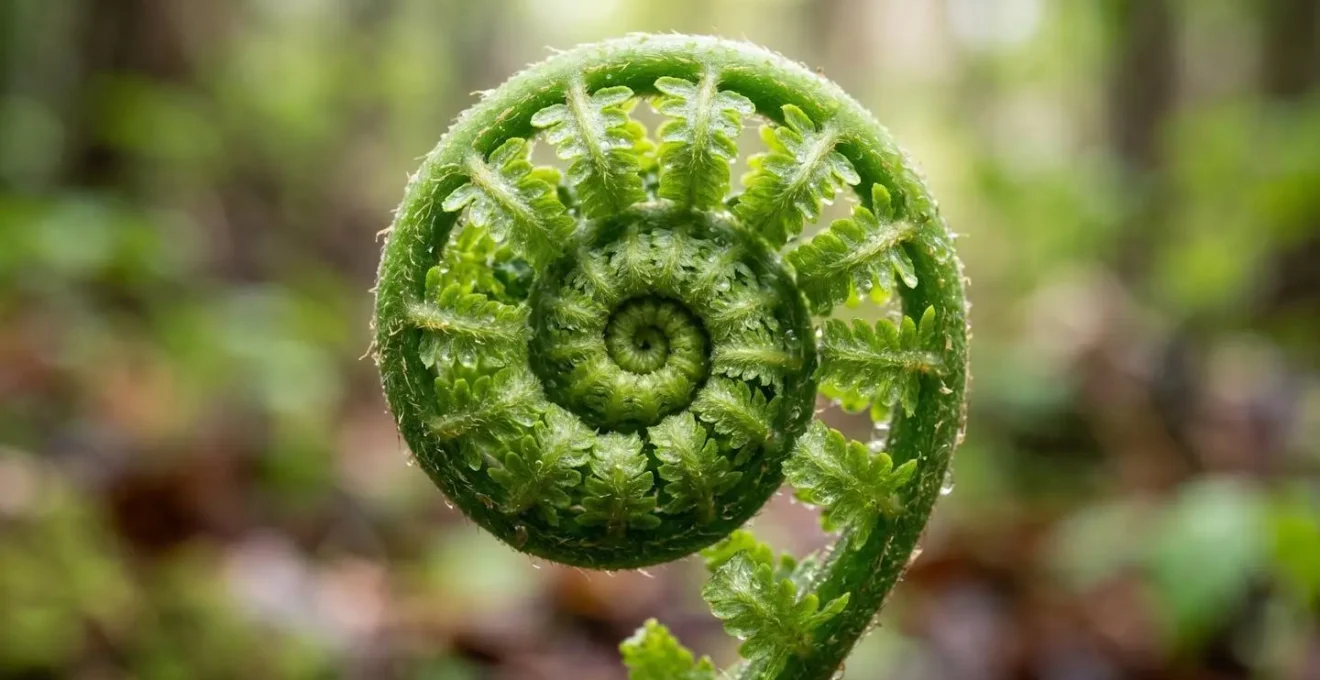
This is more than just a feeling of calm; it has a measurable neurological basis. A 2024 randomized controlled trial with 92 participants found that a 40-minute nature walk led to a significant enhancement of the ERN amplitude, a neural marker of executive attention. By practicing the sit spot technique, you are actively engaging the brain’s restorative circuits, rebuilding your capacity for deep focus.
City Park vs. Wild Forest: Do You Need True Wilderness to Heal?
For many urbanites, the idea of escaping to a “true wilderness” feels like an inaccessible luxury. This raises a crucial question: is a manicured city park enough to trigger a physiological reset, or is deep, wild nature essential? The answer, supported by scientific research, is both encouraging and nuanced. While wilder environments offer a more potent dose of nature’s medicine, even small pockets of urban green space provide significant and measurable benefits for stress reduction.
The key difference lies in the intensity and diversity of sensory input. A large, undeveloped forest offers a richer symphony of phytoncides, a greater variety of natural sounds (biophony), and a more complete absence of urban stressors like traffic noise and artificial light. This immersive experience allows for a more profound shift away from the sympathetic (fight-or-flight) nervous system and towards the parasympathetic (rest-and-digest) state.
However, this doesn’t render city parks ineffective. A study directly addressed this by comparing stress biomarkers across three different environments. As expected, a 1200-acre wilderness-like forested area showed the greatest cortisol reduction and increase in joy. Crucially, though, a municipal park also produced measurable stress-reduction benefits, outperforming an indoor exercise facility which, in some cases, actually increased stress markers. The takeaway is that the goal is not perfection, but improvement. A 20-minute walk in a city park is vastly superior to no nature exposure at all. The priority for an urbanite is to find the most accessible and “wildest” version of nature available to them, and to use it consistently.
The Lyme Fear: How to Enjoy Nature Without Paranoia?
For many, the desire to connect with nature is hampered by a persistent fear: ticks and Lyme disease. This anxiety can turn a potentially restorative experience into a stressful one, undermining the very goal of the outing. While caution is wise, it’s essential to contextualize the risk and adopt a mindset of prepared awareness rather than paranoia. The statistical reality is that the fear of Lyme disease is often disproportionate to the actual risk for those who take basic precautions.
First, it’s important to understand that not every tick carries Lyme disease, and not every bite from an infected tick results in transmission. In fact, research indicates that only 1.2 to 1.4 percent of recognized tick bites result in infection. Transmission typically requires the tick to be attached for 36 to 48 hours or more, which gives a significant window for detection and removal. This knowledge alone can help reframe the risk from an imminent threat to a manageable concern.
The key to enjoying nature without fear is to replace paranoia with a protocol. By systematically following a few evidence-based steps, you can drastically reduce your risk and free your mind to enjoy the benefits of your surroundings. A simple, proactive plan eliminates the mental burden of worry and allows you to feel empowered and in control of your safety.
Action Plan: The Proactive Tick Prevention Protocol
- Stay Centered: Walk in the center of cleared, well-traveled trails to minimize contact with tall grass and brush where ticks wait.
- Dress Defensively: Wear light-colored clothing to make ticks more visible, and tuck your pant legs into your socks to create a physical barrier.
- Repel Effectively: Before your outing, apply an EPA-registered insect repellent containing DEET, picaridin, or oil of lemon eucalyptus to exposed skin.
- Conduct a Prompt Check: Immediately after returning indoors (ideally within two hours), perform a full-body tick check. Pay close attention to warm, hidden areas like armpits, groin, and the scalp.
- Shower Swiftly: Take a shower as soon as possible after coming inside. This can wash away unattached ticks and provides another opportunity for a thorough check.
By internalizing this protocol, the focus shifts from a passive state of fear to an active state of preparedness, allowing you to fully immerse yourself in the natural world. This mental shift is as crucial as the physical actions themselves.
When to Take Your Shoes Off to Maximize the Grounding Effect?
One of the most direct ways to connect with nature is to physically touch it. The practice of “grounding” or “earthing” involves placing your bare skin—typically the soles of your feet—in direct contact with the surface of the Earth. The theory behind this is that our bodies, which are bio-electrical, can absorb a natural, gentle negative charge from the earth. This bio-electrical exchange is thought to help stabilize our internal environment, reduce inflammation, and lower stress.
While the science is still emerging, many report a profound sense of calm and well-being from this simple act. However, the effectiveness of grounding is not uniform; the “when” and “where” matter. The ideal surface for grounding is one that is conductive. This means damp soil, grass wet with dew, and wet sand at the beach are far more effective than dry, arid dirt. Moisture increases the electrical conductivity of the ground, facilitating a more efficient transfer of electrons to your body. Walking on concrete or asphalt will not work, as these are insulating materials.
The best time to practice grounding is when you can safely and comfortably do so. A few minutes in the morning on a dewy lawn can be a powerful way to start the day. When in a forest, look for a patch of soft, damp moss or a clear area of soil away from potential hazards. The goal is not endurance but a mindful connection. Even five to ten minutes of direct contact can be enough to feel a shift. It’s an invitation to slow down and experience a fundamental, elemental connection that is lost in our insulated, shoe-clad lives.
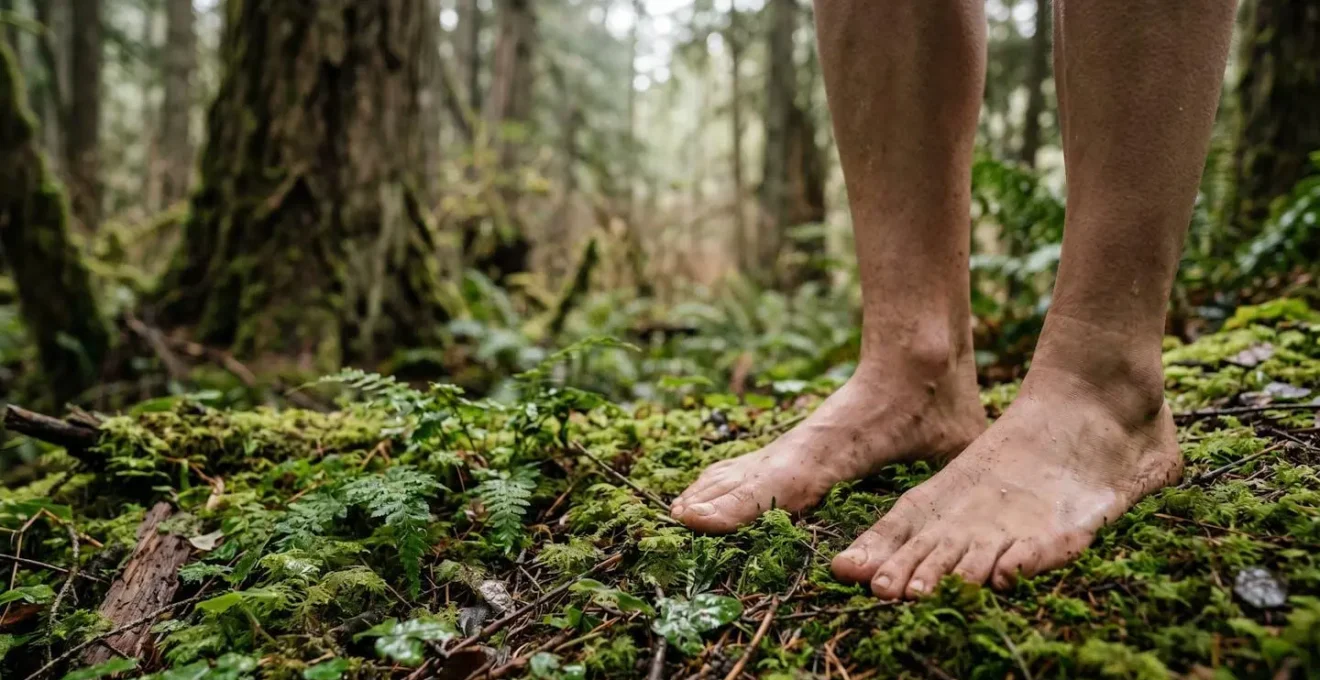
Safety is paramount. Always be aware of your surroundings. Choose a spot that is clear of sharp objects, glass, or potentially harmful insects. The practice should be a source of relaxation, not anxiety. By choosing the right time and place, you can maximize the benefits of this simple yet powerful technique.
Weekend Camping vs. Melatonin: Which Resets Your Clock Faster?
Our modern lives, filled with artificial light late into the evening, disrupt our natural circadian rhythm—the 24-hour internal clock that governs our sleep-wake cycle. This disruption is a major contributor to chronic stress and poor sleep. To combat this, some turn to melatonin supplements, a synthetic version of the sleep-inducing hormone. Others might consider a more elemental solution: a weekend camping trip. So, which is more effective for a rapid reset?
While melatonin can help induce sleep in the short term, it’s a blunt instrument. It forces a hormonal change but doesn’t necessarily retrain the entire circadian system. A weekend of camping, on the other hand, acts as a total system recalibration. By removing artificial light and synchronizing your light exposure to the natural rise and fall of the sun, you are providing your brain’s master clock with the most powerful cues it can receive.
Research has shown that just a couple of days spent in a natural light-dark cycle can dramatically shift our internal clock, aligning our melatonin production with the sunset. This leads to earlier sleep times, easier waking, and a more robust and resilient circadian rhythm. The benefits aren’t just about sleep; a well-regulated clock improves mood, metabolism, and overall hormonal balance. Even if a full camping trip isn’t feasible, a large-scale study found that people who spent at least two hours in nature per week were significantly more likely to report good health and well-being. The key is consistent exposure to natural light cues, which is a more sustainable and holistic solution than relying on a pill.
How to Use the Double-Inhale Breathing Technique to Kill Stress in 30 Seconds?
Sometimes you need an immediate tool to quell a rising wave of stress. While being in nature is ideal, you can access one of its core mechanisms—the nervous system reset—anywhere, in under a minute. This is achieved through a specific breathing pattern known as the “physiological sigh,” or a double-inhale technique. It’s one of the fastest known ways to consciously take control of your internal state and shift from a sympathetic (stress) to a parasympathetic (calm) response.
The technique is simple but precise. It involves two inhales followed by one long exhale. First, you take a deep inhale through your nose, and then, without exhaling, you take another short, sharp inhale to fully inflate the lungs. Finally, you exhale slowly and completely through your mouth. This double inhale is crucial because it re-inflates the tiny air sacs in your lungs (alveoli) that can collapse during periods of stress or shallow breathing. By popping them back open, you maximize the surface area for oxygen-carbon dioxide exchange, which sends a powerful signal of safety to the brain.
This is not just a relaxation trick; it’s a direct intervention on your autonomic nervous system. As the Healthline Medical Review Team notes, this type of controlled respiration is a powerful trigger for the body’s relaxation response.
Deep breathing stimulates the parasympathetic nervous system, which is responsible for relaxation and lower cortisol levels.
– Healthline Medical Review Team, 11 Natural Ways to Lower Your Cortisol Levels
Practicing this one to three times is often enough to feel a palpable shift. It effectively offloads carbon dioxide and tells your brainstem to slow your heart rate. It’s a tool you can use before a stressful meeting, when you’re stuck in traffic, or anytime you feel your nervous system starting to spiral. It is the portable, on-demand version of nature’s calming effect.
Key Takeaways
- Nature therapy is a physiological tool, not just a pleasant walk; it works by triggering specific biological mechanisms.
- The air, light, sights, and surfaces of natural environments all act as active agents in reducing stress and boosting immunity.
- A 20-30 minute session is the most efficient duration for achieving a significant drop in cortisol levels.
How to Trigger Parasympathetic Activation Before Bed for Deep Rest?
The ultimate goal of managing daily stress is to achieve deep, restorative rest at night. For many urbanites, the sympathetic nervous system remains active long after the workday is over, leading to difficulty falling asleep and poor sleep quality. A short, strategic nature session in the late afternoon or early evening can act as a powerful parasympathetic switch, preparing your mind and body for deep rest. This is where all the principles we’ve discussed converge into a practical pre-bedtime ritual.
The aim is to create a deliberate transition away from the high-frequency stimulation of the day. This doesn’t require a long excursion. As we’ve seen, the most efficient dose of nature for stress reduction occurs within a specific timeframe. A University of Michigan study published in 2019 demonstrated that the greatest efficiency in cortisol reduction happens with a 20 to 30-minute nature experience. This is the sweet spot where you get the maximum hormonal benefit for your time investment.
Your 20-minute ritual could involve finding a “sit spot” in a nearby park to watch the sunset, practicing the double-inhale breathing technique, and, if possible, spending a few minutes grounding with bare feet on the grass. By combining these elements, you are sending a cascade of calming signals to your nervous system: the phytoncides are boosting your immunity, the natural light is cueing your circadian rhythm, the soft fascination is restoring your attention, and the bio-electrical exchange is stabilizing your internal state. This ritual acts as a buffer between the stress of your day and the rest you require.
By integrating this 20-minute nature ritual into your routine, you are not just hoping for relaxation; you are actively engineering it. Begin today by identifying a small, accessible piece of nature and scheduling this non-negotiable appointment with your own well-being.