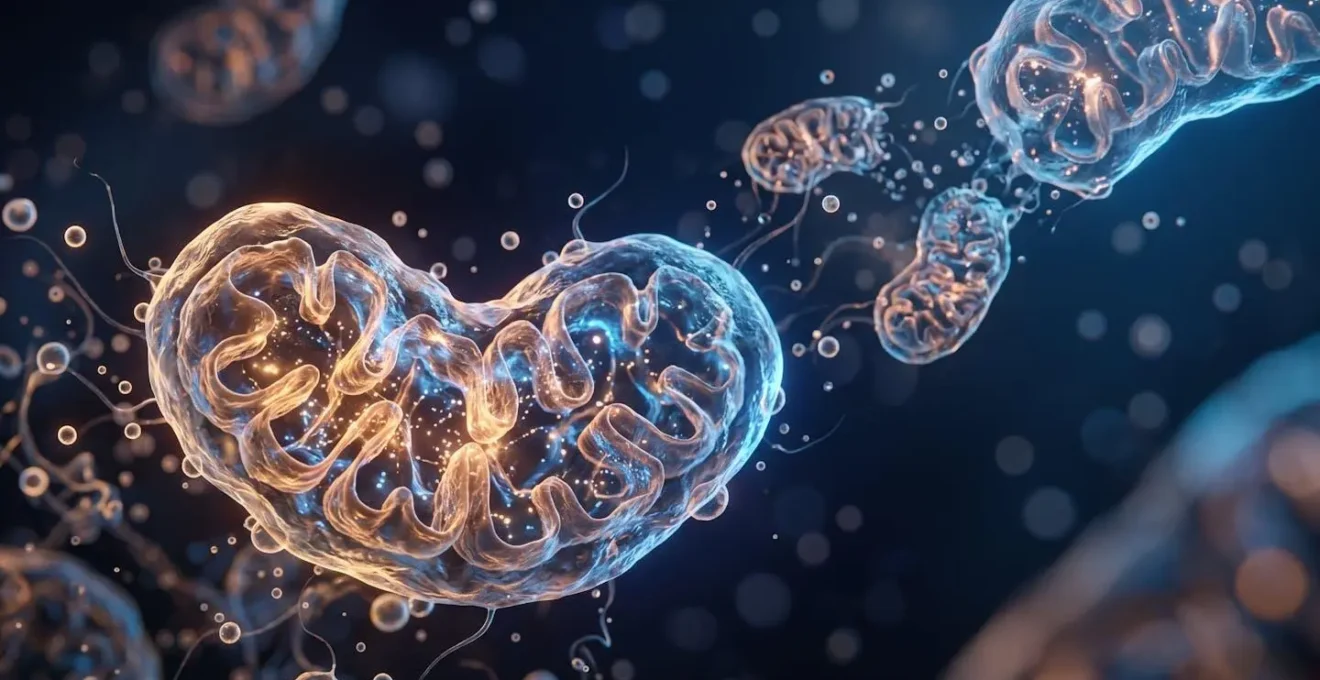
Mastering mental stamina is not about generic ‘hacks’ but about systematically orchestrating the cellular signals that command the creation of new mitochondria, your body’s power plants.
- Targeted stressors like cold exposure and specific exercise protocols (HIIT, fasted-state training) are potent triggers for the PGC-1α master regulatory pathway.
- Nutritional cofactors and polyphenols are not magic bullets, but essential substrates that support and amplify the bioenergetic machinery built through hormetic stress.
Recommendation: Shift from isolated interventions to a ‘stacked’ daily protocol that synergistically combines hormetic signals with targeted cellular nutrition for exponential gains in energy capacity.
The perception of boundless mental and physical energy is the ultimate human enhancement. Yet, for many high-performers, from dedicated students to driven biohackers, the barrier is not a lack of will but a deficit in cellular currency—adenosine triphosphate (ATP). The conventional narrative suggests more sleep, better diet, or simply “pushing through.” This perspective, however, fails to address the fundamental bioenergetic architecture. It overlooks the machinery responsible for generating that energy: the mitochondria.
The prevalent advice to simply exercise more or consume antioxidants is a gross oversimplification. It’s akin to telling a factory owner to just “work harder” without providing blueprints for building more production lines. The real frontier in cognitive endurance and longevity lies not in merely supporting existing mitochondria but in triggering the genesis of new, more efficient ones. This process, known as mitochondrial biogenesis, is the core mechanism for expanding your energetic capacity from the ground up.
But what if the key was not a single supplement or workout, but a precise orchestration of cellular signals? This guide moves beyond the platitudes to deconstruct the specific signaling cascades—like hormesis-induced PGC-1α activation—that instruct your cells to build more power plants. We will explore how to strategically ‘stack’ environmental stressors and nutritional compounds to create a synergistic effect, effectively reprogramming your cellular matrix for limitless stamina. This is the operating manual for your cellular power grid.
This exploration will provide a sophisticated, mechanistic understanding of how to upgrade your cellular engine. We will dissect the protocols, from thermal stress to metabolic challenges, and identify the molecular levers that unlock a higher state of biological energy production.
Summary: The Blueprint for Upregulating Cellular Energy Production
- Why a 3-Minute Cold Shower Triggers Cellular Renewal?
- How to Train in a Fasted State to Multiply Your Mitochondria?
- CoQ10 vs. Zone 2 Cardio: Which Actually Boosts Cellular Energy?
- The Fatigue Link: Is Your Exhaustion Actually Mitochondrial Decay?
- Which 5 Polyphenol-Rich Foods Act as Rocket Fuel for Your Cells?
- Why 20 Minutes of HIIT Burn More Fat Than 1 Hour of Jogging?
- Why Your Cells Aren’t Producing ATP Even When You Rest?
- How to Build Physical Endurance to Handle 12-Hour Days Without Exhaustion?
Why a 3-Minute Cold Shower Triggers Cellular Renewal?
The acute, shivering stress of a cold shower is far more than a spartan morning ritual; it is a potent hormetic signal that activates deep-seated survival circuits. The primary mechanism involves the recruitment of Brown Adipose Tissue (BAT), a specialized fat tissue dense with mitochondria. Unlike white fat which stores energy, BAT’s primary function is thermogenesis—generating heat to maintain core body temperature. This process is metabolically expensive and profoundly mitochondrial.
When exposed to cold, the sympathetic nervous system releases norepinephrine, which binds to receptors on BAT cells. This triggers a signaling cascade that upregulates a unique protein called Uncoupling Protein 1 (UCP1). UCP1 embeds itself in the inner mitochondrial membrane and essentially ‘short-circuits’ the electron transport chain. Instead of the proton gradient being used to synthesize ATP, its energy is dissipated as heat. To meet this massive energy demand for heat production, the cell is forced to rapidly upregulate the biogenesis of new mitochondria. A single cold exposure can have a measurable impact; in fact, a 45% increase in BAT metabolic activity was observed in a study on cold exposure, indicating a profound shift in cellular energy expenditure.
This process of creating new, heat-producing mitochondria is a form of cellular renewal. It not only increases your baseline metabolic rate but also enhances insulin sensitivity and glucose disposal, as the newly formed mitochondria are voracious consumers of fuel. The image below visualizes this intense activation at the cellular level.
Therefore, a brief, intense cold stimulus is a highly efficient signal to your body that its current energy-producing capacity is insufficient for environmental demands. The adaptive response is not just to burn more fuel, but to build more engines to do so, laying the foundation for greater energetic resilience.
How to Train in a Fasted State to Multiply Your Mitochondria?
Training in a glycogen-depleted, or ‘fasted,’ state represents another powerful hormetic stressor that forces profound metabolic adaptation. When you exercise with full glycogen stores, your cells have an abundant and easily accessible source of glucose. However, when you train after an overnight fast, those stores are low. This creates a state of cellular energy stress, compelling your muscles to seek alternative fuel sources, primarily fatty acids.
This metabolic shift is a crucial signal. The low energy status of the cell, characterized by a higher AMP-to-ATP ratio, activates a key energy sensor: AMP-activated protein kinase (AMPK). The activation of AMPK is a master switch that initiates a cascade of events designed to restore energy homeostasis. Crucially, AMPK activation leads directly to the increased expression and activation of the paramount transcriptional coactivator for mitochondrial biogenesis: PGC-1α.
PGC-1α then travels to the cell nucleus and co-activates transcription factors that “turn on” the genes responsible for building new mitochondria. It is the cellular architect responding to an energy crisis by drawing up blueprints for more power plants. This is not theoretical; it is a well-documented physiological response.
Exercise with low glycogen increases PGC-1α gene expression in human skeletal muscle.
– Psilander et al., Karolinska Institute Thesis on Mitochondrial Biogenesis
By intentionally training in a fasted state, you are not just burning fat; you are sending a powerful, unambiguous signal for cellular remodeling. You are instructing your muscles to become more metabolically flexible and to increase their fundamental capacity to generate energy, making you more efficient at utilizing fuel and more resilient to fatigue in the long run.
CoQ10 vs. Zone 2 Cardio: Which Actually Boosts Cellular Energy?
The debate between supplementation and lifestyle interventions often presents a false dichotomy. The sophisticated biohacker understands that they are not mutually exclusive but deeply synergistic. Comparing Coenzyme Q10 (CoQ10) supplementation to Zone 2 cardiovascular exercise is a perfect case study in this synergy. One provides a critical substrate, while the other creates the architectural demand.
CoQ10 is an essential, endogenously produced antioxidant and a vital component of the mitochondrial electron transport chain (ETC). It acts as a shuttle, transferring electrons between Complex I/II and Complex III. Without sufficient CoQ10, this chain becomes inefficient, ATP production falters, and oxidative stress increases. Supplementation can be particularly effective when endogenous levels are compromised, such as with age or certain health conditions. In fact, a recent 5.6% improvement in ejection fraction was observed in heart failure patients—a condition linked to mitochondrial dysfunction—following CoQ10 supplementation, demonstrating its power to restore function.
On the other hand, Zone 2 cardio—prolonged, low-to-moderate intensity exercise—is one of the most potent known stimuli for mitochondrial biogenesis. It doesn’t supply a substrate; it creates the *demand* for more machinery. By sustaining an elevated but manageable rate of ATP consumption for an extended period, Zone 2 training robustly activates the PGC-1α pathway, signaling the cell to build more, larger, and more efficient mitochondria. This is the structural upgrade.
The question is not “which one is better?” but “how do they work together?” Zone 2 cardio sends the signal to build more factories (biogenesis). CoQ10 ensures those new (and existing) factories have the critical components to run the assembly line efficiently. Attempting to build more mitochondria without ensuring adequate cofactor availability is like building a factory with a broken supply chain. Conversely, supplying cofactors without the stimulus to build more mitochondria offers only marginal optimization. True mastery lies in stacking the architectural signal (Zone 2) with the necessary building blocks (CoQ10).
The Fatigue Link: Is Your Exhaustion Actually Mitochondrial Decay?
Persistent, debilitating fatigue that is unalleviated by rest is often dismissed as burnout or a psychological issue. However, a growing body of evidence points to a cellular origin: mitochondrial dysfunction and decay. This is particularly evident in conditions like Myalgic Encephalomyelitis/Chronic Fatigue Syndrome (ME/CFS), where the primary symptom is post-exertional malaise—a severe crash in energy following even minor physical or mental effort. ME/CFS is not a rare condition; approximately 1% of the US population is affected, with a starkly higher prevalence in women. This condition serves as an extreme model for what occurs on a smaller scale in general age-related or stress-induced fatigue.
When mitochondria are dysfunctional, their ability to produce ATP through oxidative phosphorylation is impaired. This means the cell’s energy demands cannot be met, leading to a profound sense of exhaustion at the systemic level. Furthermore, dysfunctional mitochondria can produce an excess of reactive oxygen species (ROS), leading to oxidative stress that further damages cellular components, including the mitochondria themselves, creating a vicious cycle of decay.
The link between profound fatigue and mitochondrial health is not just correlational. Direct evidence from patient populations provides a clear mechanistic connection. This is starkly illustrated in individuals recovering from severe illness, who often report long-term exhaustion.
Case Study: Mitochondrial Dysfunction in Post-COVID Fatigue
A follow-up study of 120 COVID-19 ICU survivors revealed that 93% reported generalized fatigue, performing at only 45% of their predicted capacity on a 6-minute walk test. Long-term muscle biopsies from these individuals, taken nearly 9 months post-discharge, showed significantly lower activity of mitochondrial complex II and complex IV compared to healthy controls. This directly links the subjective experience of persistent fatigue and reduced functional capacity to objective, measurable deficits in the mitochondrial respiratory chain, providing a clear biological basis for their exhaustion.
Therefore, chronic exhaustion should not be normalized. It may be a critical signal from your body that your cellular power grid is failing. Addressing the health, number, and efficiency of your mitochondria is a foundational, non-negotiable step in rebuilding true, lasting energy reserves and combating systemic decay.
Which 5 Polyphenol-Rich Foods Act as Rocket Fuel for Your Cells?
While hormetic stressors like exercise and cold provide the primary signals for mitochondrial biogenesis, a diet rich in specific polyphenols provides the secondary signals and protective cofactors that optimize this process. These plant-based compounds act as mild cellular stressors or signaling molecules themselves, activating pathways that enhance mitochondrial function and protect against decay. They are the ‘software updates’ for your cellular hardware.
Rather than thinking of ‘antioxidants’ in a generic sense, it is more precise to consider specific polyphenols and their targeted mechanisms of action. Certain compounds are known to directly influence the key regulators of cellular energy and defense. Caffeine, for instance, acts as a mild AMPK activator, contributing a subtle but consistent prod to your cell’s energy-sensing pathways. For a more targeted approach, focusing on a variety of polyphenol-rich foods ensures a multi-pronged strategy for mitochondrial support.
Here are five categories of polyphenols and the foods they are found in, which act as potent fuel and signaling agents for your mitochondria:
- SIRT1 Activators (Resveratrol): Found in red grapes, blueberries, and dark chocolate, resveratrol activates the sirtuin family of proteins. SIRT1, in particular, deacetylates PGC-1α, boosting its activity and promoting both mitochondrial biogenesis and improved respiratory capacity.
- AMPK Activators (EGCG): Epigallocatechin gallate, the primary polyphenol in green tea, is a powerful activator of the AMPK energy-sensing pathway. This promotes mitochondrial quality control (mitophagy) and enhances overall function.
- Nrf2 Activators (Sulforaphane): Concentrated in broccoli sprouts, sulforaphane is one of the most potent natural activators of the Nrf2 pathway. This is the body’s master antioxidant response system, which upregulates the production of endogenous antioxidants like glutathione, protecting mitochondria from the oxidative damage inherent in energy production.
- Anti-Inflammatory Polyphenols (Curcumin): The active compound in turmeric, curcumin, powerfully mitigates chronic, low-grade inflammation (inflammaging), which is known to impair mitochondrial function. For effective absorption, it must be consumed with black pepper (piperine) and a source of fat.
- Mitochondrial Membrane Stabilizers (Anthocyanins): The deep blue and purple pigments found in foods like blueberries, blackberries, and black rice, anthocyanins have been shown to insert into mitochondrial membranes, protecting their integrity and the function of the delicate enzymes of the electron transport chain.
Incorporating these foods is not just about nutrition; it’s a form of bio-information, providing your cells with the instructions and protection needed to maintain a high-performance energy grid.
Why 20 Minutes of HIIT Burn More Fat Than 1 Hour of Jogging?
The common framing of High-Intensity Interval Training (HIIT) versus steady-state cardio (like jogging) around “fat burning” misses the profound difference in the cellular signals they generate. While both consume energy, the *nature* of that energy demand is radically different, and it is this difference that makes HIIT a far more potent stimulus for mitochondrial biogenesis.
An hour of jogging creates a low-level, continuous demand for ATP. The body meets this demand efficiently, and while it’s an excellent stimulus for improving aerobic capacity (Zone 2), it doesn’t create a profound energy crisis within the cell. HIIT, by contrast, involves short, all-out bursts of effort that create a massive, acute ATP deficit. The cell’s energy demands momentarily outstrip its production capacity, causing a sharp spike in ADP and AMP. This dramatic shift in the ATP/AMP ratio is the emergency signal that screams for adaptation.
This intense signal is what makes HIIT so effective for triggering biogenesis. The physiological data confirms that the intensity of the exercise, not just the duration, is the key variable for stimulating the creation of new mitochondrial machinery.
The primary advantage of HIIT is creating a massive, acute ATP deficit that sends a far more potent signal for mitochondrial biogenesis (via PGC-1α) than the low-level, continuous demand of jogging.
– Multiple Exercise Physiology Researchers, Consensus from Recent Mitochondrial Biogenesis Research
This is not just a theory; it’s observable at the molecular level. Research comparing the genetic response to different exercise intensities shows a clear advantage for high-intensity work. For instance, a study…demonstrated that high-intensity exercise stimulated more mRNA types and enzymatic activities related to mitochondrial biogenesis than moderate-intensity exercise. In essence, HIIT is a command to the cell’s nucleus: “The last energy crisis almost broke us. Build more power plants, immediately.” The afterburn effect, or EPOC (Excess Post-exercise Oxygen Consumption), is merely a symptom of this massive remodeling and repair process initiated by the intense stimulus.
Why Your Cells Aren’t Producing ATP Even When You Rest?
Even with a high density of mitochondria, ATP production can falter if the assembly line—the electron transport chain (ETC)—is inefficient or blocked. This can lead to a state of low energy even at rest, a frustrating paradox for those investing in their health. Two primary culprits are often overlooked: the decline of essential cofactors and blockages within the ETC itself.
Firstly, the ETC is not self-sufficient; it relies on a steady supply of cofactors, the most notable being Coenzyme Q10 and NAD+. As discussed, CoQ10 is the electron shuttle, and its levels are known to plummet with age. In fact, research on mitochondrial cofactors shows that endogenous CoQ10 synthesis declines to approximately 50% of its peak levels by age 65. Without enough shuttles, the entire process slows down, and ATP output drops, regardless of how many mitochondria you have.
Secondly, the final step of the ETC, Complex IV (or Cytochrome C Oxidase), is a common bottleneck. This enzyme is responsible for the final transfer of electrons to oxygen, a critical step. However, it can be inhibited or “clogged” by molecules like nitric oxide (NO) or through oxidative damage. When Complex IV is inhibited, the entire chain backs up, halting ATP production. This is where more advanced, non-obvious interventions like photobiomodulation (red light therapy) come into play.
Case Study: Unclogging the ETC with Photobiomodulation
Research into the mechanisms of mitochondrial function has revealed that specific wavelengths of light can directly interact with key enzymes. While not its primary purpose, a study on cold-water immersion effects highlighted parallel research on photobiomodulation. It demonstrated that red and near-infrared light (specifically in the 660-850nm range) can be absorbed by Cytochrome C Oxidase. This absorption ‘donates’ photonic energy to the enzyme, helping to disassociate inhibitory molecules like nitric oxide and restoring the flow of electrons. This essentially ‘unclogs’ the ATP production line, boosting mitochondrial function and energy output even in a resting state.
Therefore, if you experience persistent low energy despite adequate rest and a healthy lifestyle, the investigation must go deeper. It’s crucial to consider not only the number of mitochondria but the functional integrity of their internal machinery and the availability of the critical cofactors they depend on.
Key Takeaways
- Mitochondrial biogenesis is not a passive process but an active adaptation driven by specific hormetic stressors that signal the PGC-1α pathway.
- True energy optimization is synergistic, requiring both the architectural ‘demand’ signal from protocols like HIIT and the ‘supply’ of substrates from cofactors like CoQ10 and polyphenols.
- Persistent fatigue is often a systemic symptom of underlying mitochondrial decay or dysfunction within the electron transport chain, not just a matter of needing more rest.
How to Build Physical Endurance to Handle 12-Hour Days Without Exhaustion?
Building the bioenergetic capacity to handle grueling 12-hour days without succumbing to cognitive and physical exhaustion is the ultimate expression of mitochondrial fitness. It requires graduating from isolated ‘hacks’ to a holistic, integrated system that strategically stacks hormetic stressors, nutritional support, and recovery protocols. The goal is to create a daily rhythm that consistently signals for adaptation and provides the resources for that adaptation to occur, leading to a cumulative increase in your energy baseline.
This is not about brute force, but about intelligent, cyclical programming of your biology. The process takes time, as cellular remodeling is a gradual adaptation, but by consistently applying these principles, you are fundamentally upgrading your body’s power grid. This involves activating AMPK and PGC-1α pathways in the morning, creating a potent ATP deficit midday, and then providing the molecular building blocks and recovery signals in the afternoon and evening. It’s an antifragile approach: making the system stronger through exposure to controlled, intermittent stress.
The following protocol integrates the principles discussed throughout this guide into a coherent daily structure. It is a blueprint for systematically upregulating your mitochondrial density and efficiency, transforming your capacity for sustained output.
Your Daily Energy Stacking Protocol
- Morning Activation (6-8 AM): Initiate the day with a 3-minute cold shower to activate BAT and UCP1, immediately followed by a 20-30 minute fasted Zone 2 walk or light cycling session to gently stimulate AMPK signaling without significant stress.
- Mid-Day Metabolic Challenge (11 AM-1 PM): Before your first meal, perform a 20-minute HIIT or intense resistance training session. The goal is to create a significant, acute ATP deficit, sending the strongest possible PGC-1α signaling cascade for biogenesis.
- Afternoon Cellular Support (2-4 PM): Break your fast with a meal rich in high-quality protein and healthy fats. Supplement with Alpha-Lipoic Acid and L-Carnitine to support mitochondrial synthesis. Later, have a polyphenol-rich snack combining berries, a square of dark chocolate, and green tea.
- Evening Recovery & Circadian Alignment (7-9 PM): Don blue-light blocking glasses after sunset to protect melatonin production. Consider a 10-minute red light therapy session to support Cytochrome C Oxidase function. Implement a stress-reduction breathing technique (e.g., the physiological sigh: two sharp inhales through the nose, followed by a long, extended exhale).
- Sleep Optimization & Repair: Ensure 7-9 hours of high-quality sleep in a cool, dark, and quiet environment. This is non-negotiable, as it’s when the glymphatic system clears metabolic waste and the majority of mitochondrial repair and consolidation occurs.
Begin implementing these protocols not as a rigid checklist, but as a flexible framework. The key is consistency in signaling. By systematically commanding your body to adapt and providing it with the tools to do so, you are actively architecting a higher state of energy and unlocking the potential for sustained high performance.