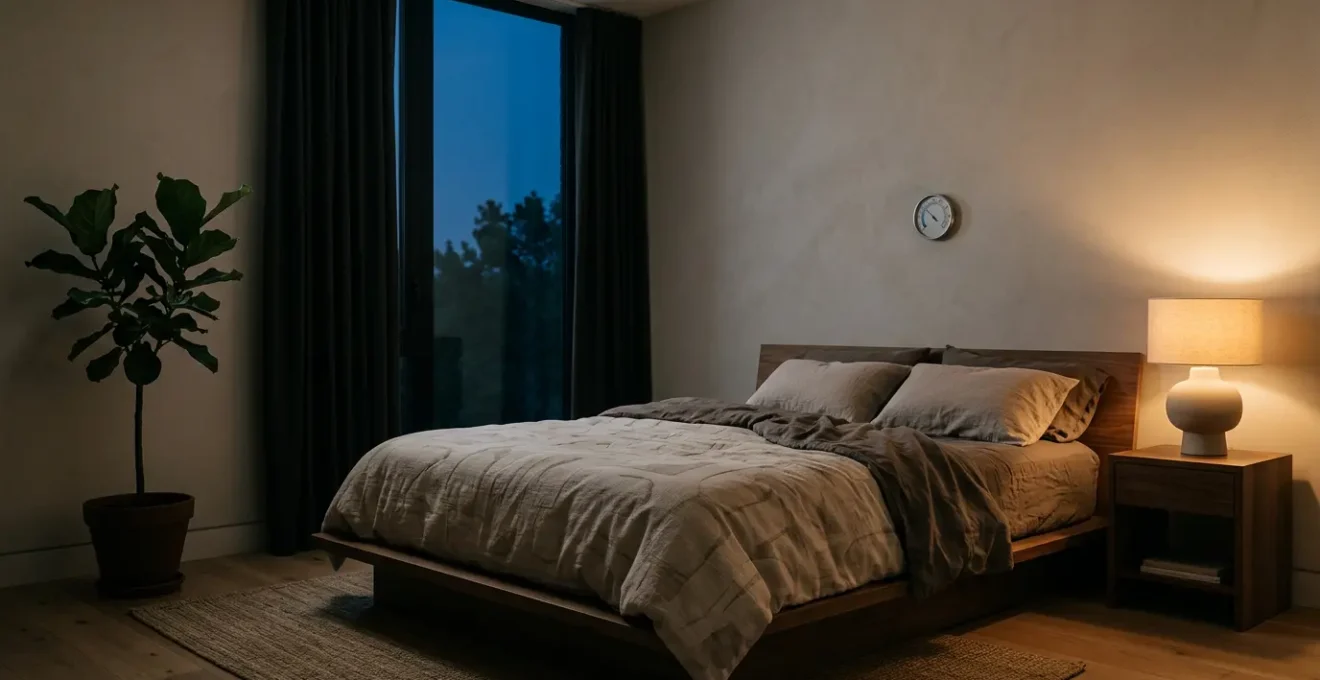
In summary:
- Your evening environment, especially the type and intensity of light, is the most powerful lever for natural melatonin production.
- Even “warm” LED lights and small amounts of light (as low as 8 lux) can significantly suppress melatonin, delaying sleep.
- Strategic morning sunlight exposure is crucial for “anchoring” your circadian rhythm and priming melatonin release for the evening.
- Natural, whole-food sources like tart cherries offer a safer, more bioavailable form of melatonin compared to unregulated supplements.
- Lowering your core body temperature through a cool bedroom is a primary biological signal to initiate melatonin secretion.
That feeling of lying in bed, mind racing, while sleep remains frustratingly out of reach is an all-too-common experience. In the search for relief, many turn to the seemingly simple solution of a melatonin pill, hoping to force the body into slumber. While well-intentioned, this approach often overlooks a more profound and sustainable truth: your body already possesses the perfect mechanism for sleep. The challenge isn’t a lack of melatonin, but a modern environment that actively disrupts its natural production.
Common advice like “avoid screens” or “keep your room dark” only scratches the surface. These tips are platitudes, failing to explain the delicate biological dance that governs our sleep-wake cycle. The real key to reclaiming your nights lies not in supplementation, but in orchestration. It’s about understanding and consciously managing the subtle environmental cues—specifically light, temperature, and nutrition—that act as the conductors of your internal circadian rhythm. This isn’t about following rigid rules; it’s about learning to speak your body’s native language to gently guide it toward deep, restorative rest.
This guide will illuminate the science-backed, naturalistic strategies to enhance your body’s own melatonin secretion. We will explore why your home’s lighting might be a hidden culprit, how to craft a precise “dark down” ritual, and how to leverage nature’s own resources to create the ideal conditions for sleep to arrive naturally and effortlessly.
Summary: Unlocking Your Body’s Natural Sleep Switch
- Why Your “Warm” LED Bulbs Might Still Be Suppressing Melatonin?
- How to Create a “Dark Down” Routine One Hour Before Bed?
- Tart Cherries vs. 3mg Pills: Which Melatonin Source Is Safer?
- The Fluoride Theory: Is Your Environment Blocking Melatonin Production?
- When to Seek Bright Light to Prime Melatonin for Later?
- Which Temperature Setting Will Keep You in Deep Sleep Longer?
- How to Use Blue Light Blocking Glasses Correctly in the Evening?
- How to Increase Deep Sleep Percentage for Better Cellular Restoration?
Why Your “Warm” LED Bulbs Might Still Be Suppressing Melatonin?
You’ve diligently switched your bright, cool-toned light bulbs to “warm white” options, believing you’ve created a sleep-friendly sanctuary. Unfortunately, this common adjustment often provides a false sense of security. The issue isn’t just the color temperature, but a hidden problem of spectral contamination. While incandescent bulbs produce a smooth spectrum of light, modern CFL and LED bulbs have a spiky, uneven distribution, even when they appear warm.
This means that a “warm” LED can still emit a significant peak in the blue-light spectrum, the very wavelength most disruptive to your pineal gland’s melatonin production. The difference is measurable and significant. A 2026 study found a stark contrast in hormonal impact, showing 12.3% vs 3.6% melatonin suppression between cool and warm white LEDs, respectively. While better, 3.6% is not zero. As the research team behind the study noted, this confirms that even seemingly benign home lighting can have a biological effect. The visual difference between these light sources is subtle, but the physiological impact is not.
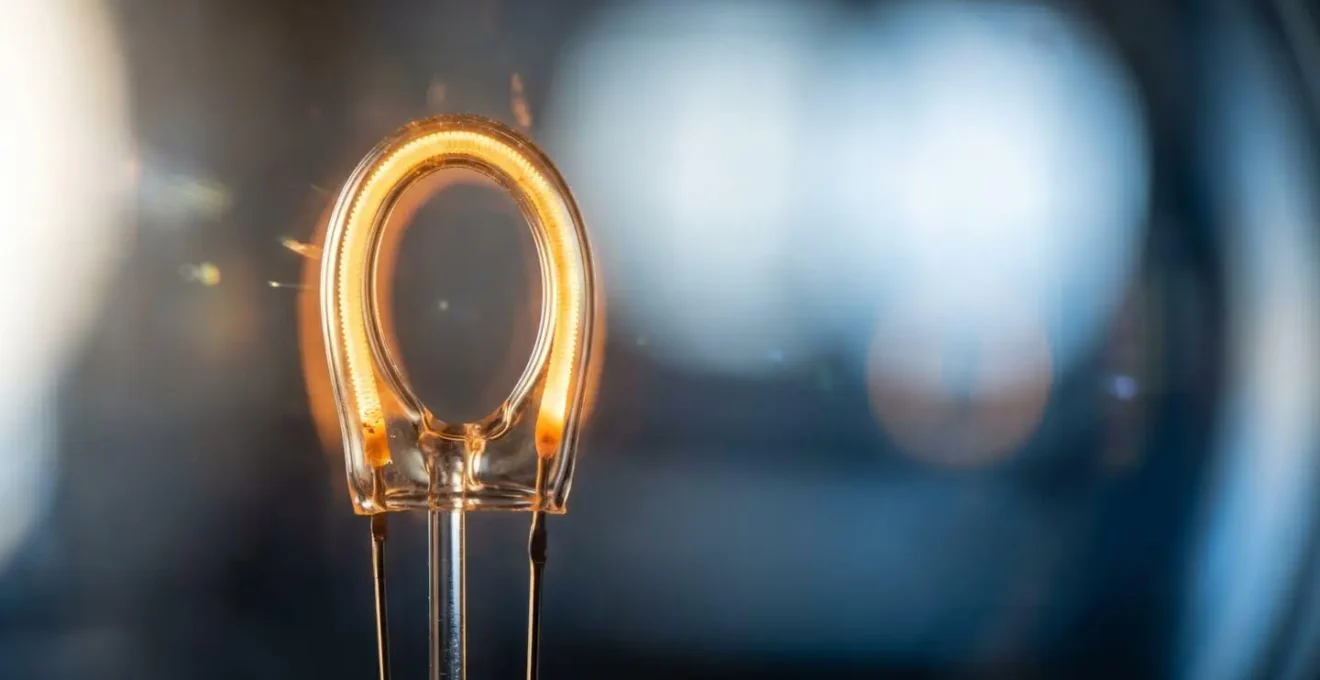
As the researchers from the Scientific Reports study on home lighting concluded, “Even ‘warm’ CFL and LED lamps may exert a greater effect than incandescent bulbs due to their inherent spectral power distributions.” This underscores the need to look beyond simple color labels and consider the actual light spectrum you’re exposed to in the hours before bed. True light hygiene involves minimizing all light, but especially light from sources with these hidden blue spikes.
How to Create a “Dark Down” Routine One Hour Before Bed?
Your body doesn’t have an on/off switch for sleep; it has a dimmer. Melatonin production begins to rise as light fades, signaling that it’s time to prepare for rest. A “Dark Down” routine is a conscious, phased reduction of light exposure in the 60 minutes before you intend to be asleep. It’s a powerful ritual that mimics the natural sunset, providing a clear and unambiguous signal to your internal clock.
The sensitivity of this system is astonishing. It’s not just about turning off the main lights. Research from Harvard Health shows that light as dim as 8 lux can be enough to delay or suppress melatonin secretion. For context, a typical softly lit living room can easily be 50-100 lux. This means that even seemingly dim ambient light can be a significant roadblock to sleep. The goal of the Dark Down routine is to systematically bring your environment below this threshold, allowing your melatonin levels to rise unimpeded.
Creating this gentle transition from day to night is a fundamental act of self-care. It replaces the abrupt “lights out” shock with a gradual, soothing descent into darkness, preparing both mind and body for a night of deep restoration. The following protocol provides a structured way to implement this practice effectively.
Your Action Plan: Phased Light Reduction Protocol
- T-60 minutes: Turn off all bright overhead lights. Switch exclusively to low-level floor or table lamps that are positioned below your eye level to minimize direct light to the retina.
- T-45 minutes: If using any screens, activate device accessibility features like “greyscale” mode and reduce the screen brightness to the minimum tolerable level. This is your last call for screen time.
- T-30 minutes: Transition to amber-only or red spectrum lighting in your primary living spaces. These longer wavelengths (greater than 590nm) have a negligible impact on melatonin.
- T-15 minutes: Complete all bathroom routines (brushing teeth, washing face) using a red-light nightlight only. Avoid the powerful vanity lights at all costs, as this brief, bright exposure can reset the process.
- T-0: Enter your bedroom in complete, total darkness. Eliminate all light sources, including covering small electronic LEDs. If a nightlight is absolutely necessary for safety, ensure it is a circadian-neutral red light.
Tart Cherries vs. 3mg Pills: Which Melatonin Source Is Safer?
When sleep feels distant, reaching for a melatonin supplement seems like a logical quick fix. However, the supplement industry is notoriously unregulated, and what’s on the label is often not what’s in the bottle. This makes the choice of source a critical safety consideration. On one hand, you have synthetic melatonin pills; on the other, natural, food-based sources like tart cherries.
The case against synthetic pills is compelling and concerning. These supplements are not classified as drugs by the FDA, meaning they don’t undergo the same rigorous testing for purity, safety, or dosage accuracy. The consequences of this lack of oversight are alarming. A landmark study published in the Journal of Clinical Sleep Medicine analyzed 31 different commercial supplements and found shocking discrepancies. The study revealed that 71% of supplements failed to meet label claims, with content ranging from -83% to +478% of the advertised dose. Furthermore, many contained contaminants like serotonin, which can have unintended and potentially harmful effects.
In contrast, obtaining melatonin from a whole-food source like tart cherry juice or concentrate offers a fundamentally different approach. The melatonin is naturally occurring, delivered in a matrix with other beneficial compounds like proanthocyanidins and anthocyanins, which have anti-inflammatory properties. This food-based form is what we might call bioavailable melatonin, presented in a form the body is designed to recognize and utilize. While the dosage is lower and more variable than a pill, it is also gentler and comes without the risks of unknown contaminants or mega-dosing. Choosing a small glass of tart cherry juice an hour before bed is not just a sleep aid; it’s a nourishing, chemical-free ritual that honors the body’s natural processes.
The Fluoride Theory: Is Your Environment Blocking Melatonin Production?
Delving deeper into natural health, one may encounter a more controversial topic: the potential link between fluoride exposure and the pineal gland. The pineal gland, a tiny endocrine gland located in the brain, is responsible for producing melatonin. The theory posits that this gland is uniquely susceptible to calcification, and that fluoride, which has a high affinity for calcium, can accumulate there over time.
This concept, often called the “Fluoride Theory,” suggests that as the pineal gland becomes more calcified, its ability to produce and secrete adequate amounts of melatonin may be impaired. Proponents of this theory point to animal studies and observations of high fluoride concentrations in the pineal glands of elderly individuals as potential evidence. They advocate for measures like using fluoride-free water and toothpaste to minimize exposure and theoretically protect pineal function.
However, it is crucial to approach this topic with a balanced, evidence-based perspective. While the accumulation of fluoride in the pineal gland is documented, the direct causal link between this accumulation and a clinically significant decrease in melatonin production in humans is still a subject of scientific debate. There is not yet conclusive, large-scale human evidence to fully support this theory as a primary cause of widespread insomnia. From a naturopathic standpoint, while minimizing unnecessary chemical exposure is always a prudent goal, it’s more effective to focus your energy on the foundational pillars of sleep hygiene that are supported by robust scientific consensus: mastering your light exposure, thermal environment, and sleep-wake schedule. Addressing these proven factors will yield far more significant and reliable improvements in your sleep quality than worrying about more speculative theories.
When to Seek Bright Light to Prime Melatonin for Later?
It may seem counterintuitive, but a crucial step in preparing your body for a dark, restful night happens first thing in the morning. Exposing your eyes to bright, natural light shortly after waking is the single most effective way to anchor your circadian rhythm. This act serves as a powerful “start” signal to your internal clock, locking in your sleep-wake cycle and, critically, setting a timer for melatonin release about 14-16 hours later.
When you miss this morning light signal, your internal clock is left “adrift,” unsure of when the day has truly begun. This can lead to a delayed release of melatonin in the evening, pushing back your natural sleep onset time. The science backs this up unequivocally; research cited by sleep scientists found that daytime bright light exposure increased nighttime melatonin levels compared to spending the day in dim light conditions. Think of it like winding a clock: morning light sets the hands, ensuring they arrive at “sleep time” at the right moment.
To perform this circadian anchoring effectively, you must follow a specific protocol. It’s not enough to simply be in a sunlit room; the intensity and timing are key.
- Target Timing: Aim for light exposure within the first 30-60 minutes of waking. Consistency is paramount; do this at the same time every day, even on weekends.
- Light Intensity: The goal is to get at least 10,000 lux. This is easily achieved by being outside on a clear day, even in the shade. On an overcast day, it may take slightly longer.
- Method: Step outside without sunglasses for a minimum of 15-30 minutes. Let the light enter your eyes indirectly (do not stare at the sun). Looking toward the horizon is perfect. Light through a window is not sufficient, as glass filters out a significant portion of the beneficial wavelengths.
- Alternative: If you live in a climate where outdoor exposure is difficult, a 10,000-lux light therapy lamp, positioned about 2 feet from your face, can be an effective substitute.
Which Temperature Setting Will Keep You in Deep Sleep Longer?
Alongside darkness, a drop in core body temperature is one of the primary biological signals that initiates sleep. Your body is programmed to associate a slight cooling with the onset of night and rest. By intentionally creating a cool sleeping environment, you provide a powerful, synergistic cue that enhances your melatonin response and encourages a more stable, deeper sleep throughout the night.
When you are in a room that is too warm, your body has to work actively to shed heat, which can lead to restlessness, increased awakenings, and a reduction in both deep sleep and REM sleep. The goal is to set your bedroom thermostat to a temperature that facilitates your body’s natural thermal regulation, allowing it to cool down effortlessly. This creates a state of thermal neutrality where your body is not fighting to warm up or cool down, but can instead dedicate its resources to cellular repair and memory consolidation.
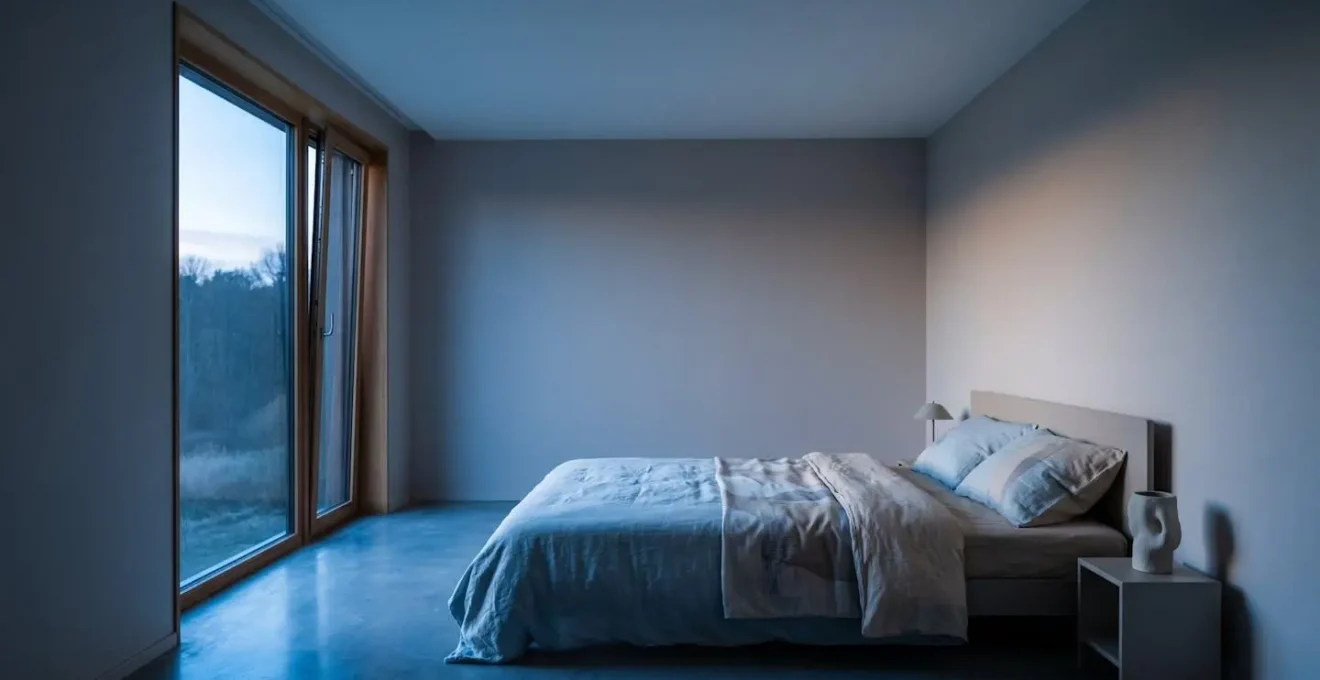
Finding your personal sweet spot may take some experimentation, but sleep experts provide a well-researched range to start from. As sleep psychologist Dr. Michelle Drerup explains, the ideal temperature is often cooler than most people realize.
Typically it is suggested that the optimal sleeping temperature in the bedroom for adults should be between 60 and 67°F. This range of temperature is thought to actually help facilitate the stability of REM sleep.
– Dr. Michelle Drerup, PsyD, Sleep Psychologist, Cleveland Clinic sleep medicine guidance
Setting your thermostat to this range—roughly 15 to 19°C—transforms your bedroom from a simple room into a veritable sleep sanctuary, optimized to work with, not against, your body’s innate wisdom.
How to Use Blue Light Blocking Glasses Correctly in the Evening?
In our modern world, completely avoiding screens and artificial light in the evening is often impractical. This is where blue light blocking glasses can be a powerful tool, acting as a filter to protect your melatonin production from the disruptive effects of artificial light. However, not all “blue blockers” are created equal, and their effectiveness depends entirely on using the right type of lens at the right time.
The most damaging light for melatonin is not just any “blue” light, but a very specific slice of the spectrum. Extensive research published in the Journal of Applied Physiology demonstrates that the 446-477 nm wavelength range produces the strongest melatonin suppression response in humans. Ineffective blue light blockers, often with clear or pale yellow lenses, may filter some blue light but fail to block this critical, high-energy peak. They provide a sense of security while letting the most harmful wavelengths pass right through to your photoreceptors.
Truly effective glasses must block close to 100% of the light in this specific range. These lenses are typically a distinct amber, orange, or red color. They work by filtering out the entire blue and often green part of the spectrum. The visual world will be significantly altered, but this is a sign that the glasses are doing their job. A recent study in Scientific Reports that tested various lenses found this to be true, noting: “Only two BLF lenses, distinguished by a ‘brown’ tint, proved highly effective, reducing estimated suppression to below 0.3%.” For proper use, you should put these glasses on at least 90 minutes to two hours before your desired bedtime, creating a personal bubble of “virtual darkness” as you move about your lit environment.
Key takeaways
- True sleep improvement comes from orchestrating natural cues (light, temperature), not just taking a pill.
- Morning sunlight is as crucial as evening darkness for a stable circadian rhythm and timely melatonin release.
- The type and intensity of light matter: even “warm” LEDs and dim light can suppress melatonin, while amber/red lenses offer effective protection.
How to Increase Deep Sleep Percentage for Better Cellular Restoration?
The ultimate goal of enhancing melatonin is not just to fall asleep faster, but to achieve a higher quality of sleep, particularly by increasing the percentage of time spent in deep sleep (also known as N3 or slow-wave sleep). This is the most physically restorative phase, where your body performs critical cellular repair, clears metabolic waste from the brain, and consolidates memories. All the strategies we’ve discussed—managing light and temperature—are foundational to allowing your body to enter and remain in this vital state.
A final, gentle nudge you can provide your body comes from nature’s own pharmacopeia. Certain compounds can support the body’s transition into deep sleep without the harsh effects of synthetic drugs. One of the most well-researched is the amino acid glycine.
Case Study: Glycine Supplementation for Enhanced Sleep Architecture
Clinical trials have consistently shown that glycine, a simple amino acid, can significantly improve sleep quality. When subjects consume approximately 3 grams of glycine about an hour before bed, they report feeling less fatigued and more clear-headed the next day. Sleep monitoring shows they fall asleep faster and, more importantly, enter the deep sleep stages more quickly and spend more time there. The mechanism is fascinating: glycine acts as an inhibitory neurotransmitter in the brain, promoting a sense of calm, but it also helps lower core body temperature by increasing blood flow to the skin, creating the perfect physiological conditions for deep sleep to begin.
This ties everything together perfectly. As sleep physiology researchers have noted in a comprehensive review, “A drop in core body temperature is a primary biological signal, alongside darkness, for the pineal gland to initiate melatonin secretion.” By managing your light environment to signal darkness and using a cool room and potentially glycine to facilitate a drop in core body temperature, you are providing the two most powerful, synergistic cues your body needs to not only produce melatonin but to use it effectively for a night of profound, restorative deep sleep.
By embracing these naturalistic principles, you can transform your relationship with sleep, moving from a state of frustration and dependency to one of empowered, intuitive self-regulation. Start tonight by implementing one or two of these strategies to begin your journey toward naturally better sleep.