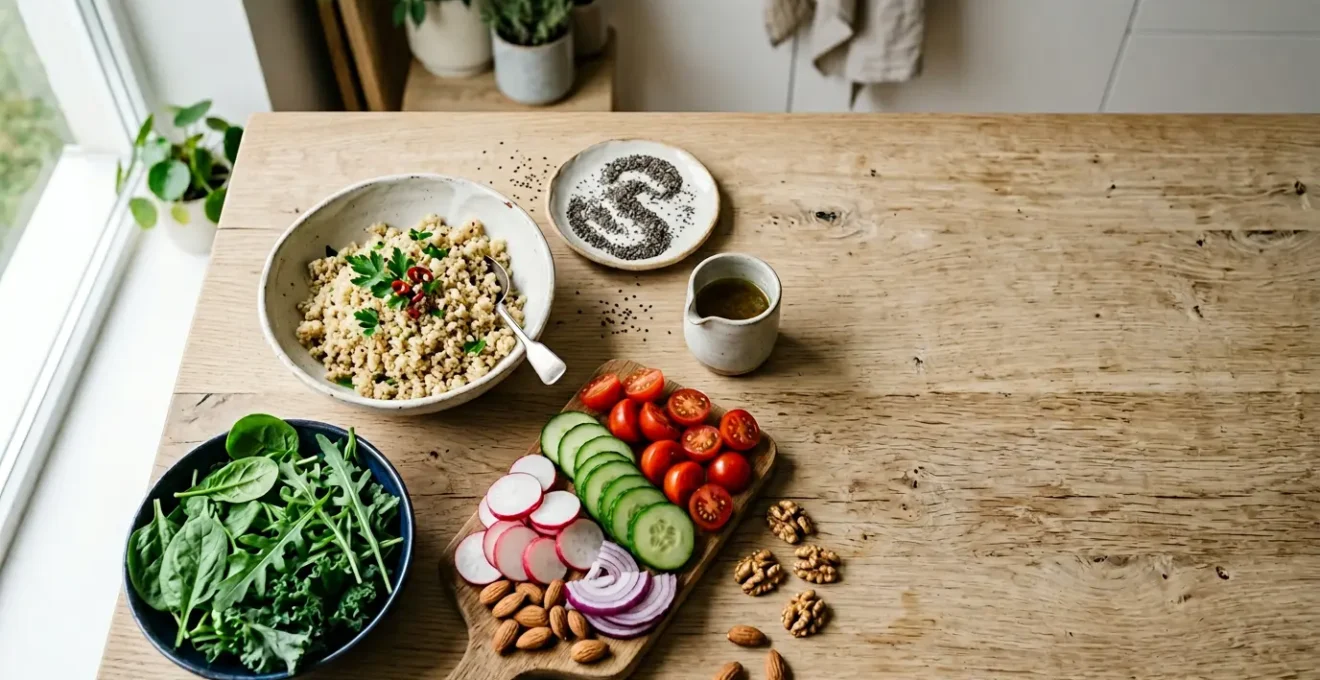
Contrary to popular belief, managing blood sugar isn’t about bland, restrictive diets. The key is using specific ingredients and culinary techniques—like cooling potatoes or pairing fats with carbs—to engineer meals that are both delicious and keep you full for hours. This guide reveals the science-backed secrets for foodies who refuse to sacrifice flavor for health.
For any food lover, the directive to “eat healthier” can sound like a culinary death sentence. It conjures images of unseasoned steamed vegetables, bland chicken breasts, and a general sense of deprivation. The conventional wisdom for managing blood sugar often involves a long list of “don’ts” and swaps that leave your taste buds wanting more. You follow the rules, eat a “healthy” low-fat salad, and an hour later, you’re ravenous and raiding the pantry, wondering what went wrong.
The problem isn’t your willpower; it’s the outdated approach. The focus has been on simple restriction rather than intelligent construction. But what if the secret to stable energy and lasting fullness wasn’t just about *what* you eat, but *how* you combine, prepare, and sequence your ingredients? What if you could use culinary science to build meals with a “glycemic architecture” that not only prevents glucose spikes but also delivers deep, satisfying flavor and texture?
This is where the gourmet nutritionist’s mindset comes in. It’s about moving beyond the simple glycemic index and understanding the mechanisms of satiety. By focusing on specific ingredients that trigger fullness hormones and mastering techniques that alter a food’s metabolic impact, you can create dishes that are both a joy to eat and a powerhouse of sustained energy. This guide will walk you through eight specific, flavor-focused strategies to transform your meals from fleetingly healthy to profoundly satisfying.
This article will explore the science and culinary application of ingredients that deliver both exceptional taste and impressive glycemic control. Below is a summary of the key strategies we will cover.
Summary: The Foodie’s Playbook for Delicious, Low-Glycemic Meals
- Why Adding Chia Seeds to Anything Lowers Its Glycemic Impact?
- How to Swap White Rice for Quinoa Without Hating Your Dinner?
- Agave vs. Maple Syrup: Which Is Actually Better for Your Blood Sugar?
- The “Low Fat” Trap: Why These Products Spike Your Sugar Higher?
- Why Cooling Your Potatoes Before Eating Lowers Their Glycemic Index?
- How to Build a “Power Bowl” That Keeps You Full for 5 Hours?
- Stevia vs. Monk Fruit: Which One Won’t Trigger an Insulin Response?
- How to Regulate Glucose Spikes Without Giving Up Carbs Entirely?
Why Adding Chia Seeds to Anything Lowers Its Glycemic Impact?
Chia seeds are more than just a trendy topping; they are a powerful tool in glycemic architecture. Their secret lies in their high concentration of viscous soluble fiber. When these tiny seeds are exposed to liquid—whether in a smoothie, yogurt, or even your own digestive system—they form a thick, gelatinous substance. This gel doesn’t just add body; it acts as a physical barrier in your stomach and intestines, fundamentally changing how you digest your entire meal.
This gel matrix physically slows down the rate at which digestive enzymes can access and break down carbohydrates into glucose. The result is a much slower, more gradual release of sugar into the bloodstream, preventing the sharp spikes that lead to energy crashes and cravings. The effect is remarkably potent; some studies have quantified this mechanical blocking. For instance, in-vitro research suggests this mechanism can lead to as much as a 66.7% reduction in glucose absorption in simulated digestive models.
For the foodie, this translates into a practical strategy. A tablespoon of chia seeds blended into a morning smoothie or stirred into oatmeal isn’t just for texture; it’s a strategic move to blunt the glycemic impact of any fruits or sweeteners in the mix. A clinical study demonstrated that this mechanism can lead to a post-meal blood glucose reduction of up to 30% in healthy individuals. It’s an effortless way to add a layer of metabolic defense to almost any dish, from baked goods to salad dressings.
How to Swap White Rice for Quinoa Without Hating Your Dinner?
For many, the suggestion to swap fluffy white rice for quinoa is met with resistance. Past experiences with bland, mushy quinoa have left a lasting negative impression. The key to a successful swap lies not in begrudgingly accepting a “healthier” alternative, but in treating quinoa with the culinary respect it deserves to unlock its delicious, nutty flavor potential. The first step is to rinse it thoroughly under cold water to remove saponins, a natural coating that can impart a bitter, soapy taste.
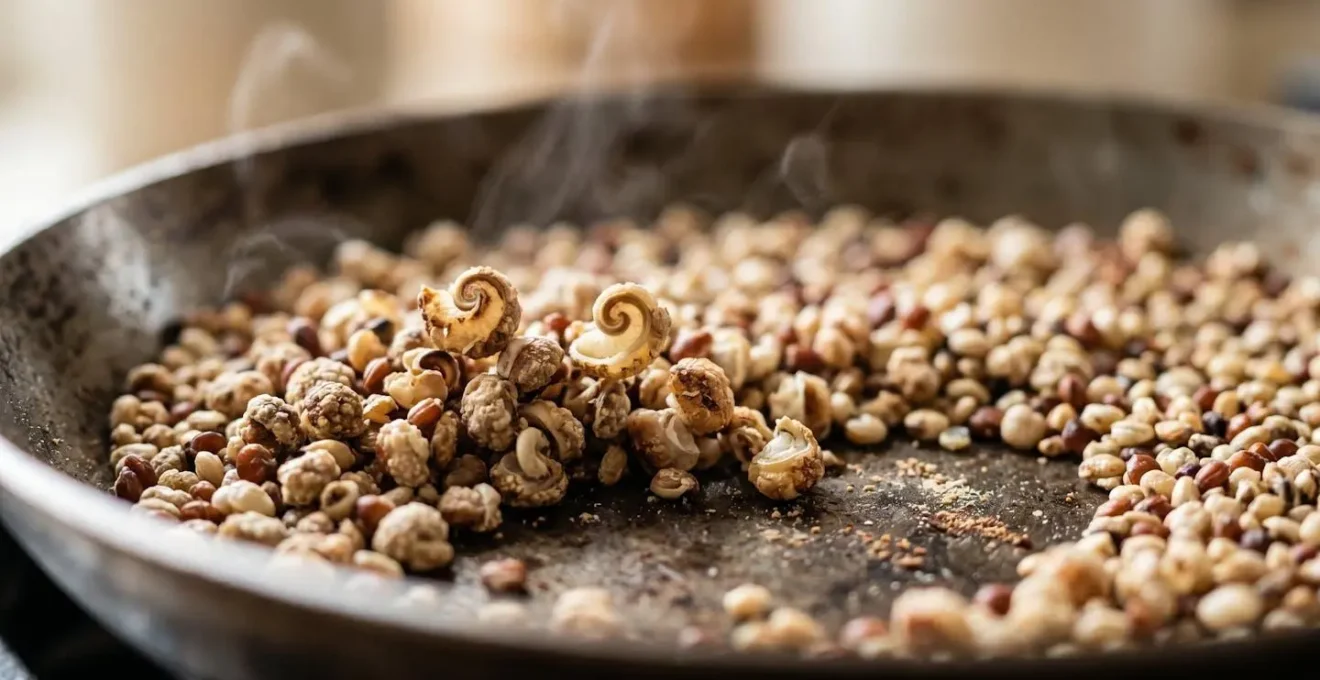
The next, and most crucial, step is to toast the dry, rinsed quinoa in a pan for a few minutes before adding liquid. This single technique is transformative, deepening its flavor from grassy to wonderfully nutty and complex, much like toasting nuts or spices. From there, cook it in a flavorful broth (chicken or vegetable) instead of plain water, and be precise with your liquid-to-grain ratio (typically 2:1) to achieve a fluffy, distinct texture rather than a porridge-like mush. The image below captures the texture you are aiming for.
The culinary effort is well worth the metabolic reward. Quinoa is not just a carb; it’s a complete protein containing all nine essential amino acids, which significantly contributes to satiety. Its low glycemic index and high fiber content ensure a slow, steady release of energy, a stark contrast to the rapid spike from high-GI white rice. Understanding the nutritional superiority makes the culinary effort even more rewarding.
This side-by-side comparison highlights why making the switch is a strategic upgrade for both your palate and your metabolic health. The following data from an in-depth nutritional analysis makes the case clear.
| Nutritional Factor | Quinoa (Cooked) | White Rice (Cooked) |
|---|---|---|
| Glycemic Index | 53 (Low) | 73 (High) |
| Protein per cup | 8 grams | 4 grams |
| Fiber per cup | 5 grams | ~1 gram |
| Complete Protein | Yes (all 9 essential amino acids) | No |
| Blood Sugar Impact | Gradual, sustained release | Rapid spike |
Agave vs. Maple Syrup: Which Is Actually Better for Your Blood Sugar?
For years, agave nectar was marketed as the ideal healthy sweetener, celebrated for its remarkably low glycemic index (GI). On paper, it looks like a clear winner over maple syrup. However, this is a classic case where a single metric—the GI—doesn’t tell the whole story. The low GI of agave is due to its composition: it’s overwhelmingly made of fructose. This is where the metabolic plot twist occurs.
While fructose doesn’t spike blood glucose (which is what the GI measures), it places a unique and heavy burden on the liver. Your liver is the only organ that can metabolize fructose in significant amounts. A diet high in concentrated fructose can contribute to non-alcoholic fatty liver disease and insulin resistance over time. Shockingly, analyses show that some commercial agave syrup can contain between 70-97% fructose, a concentration even higher than that of high-fructose corn syrup.
Pure maple syrup, on the other hand, is primarily sucrose, which is broken down into equal parts glucose and fructose. This more balanced profile is handled more easily by the body’s metabolism. While its GI is higher than agave’s, its overall metabolic impact is less taxing on the liver. Furthermore, maple syrup contains dozens of antioxidant compounds and minerals like manganese and zinc, which are absent in the highly processed agave nectar. For the discerning foodie and health-conscious individual, maple syrup is the superior choice, offering a richer, more complex flavor and a more favorable metabolic journey.
The “Low Fat” Trap: Why These Products Spike Your Sugar Higher?
The “low-fat” craze of the 1990s left a persistent and damaging myth: that dietary fat is the primary enemy of a healthy diet. This led to a flood of products—yogurts, salad dressings, cookies—stripped of their fat. The problem? When you remove fat, you remove both flavor and the very mechanism that tells your brain you’re full. To compensate for the loss of taste and texture, manufacturers often pump these products full of sugar, starches, and other refined carbohydrates.
This creates a perfect storm for blood sugar chaos. You consume a product that not only delivers a rapid dose of sugar but also fails to trigger the body’s natural satiety signals. Dietary fat and protein are crucial for stimulating the release of hormones that regulate appetite. One of the most important of these is Cholecystokinin (CCK), a hormone released in the gut in response to fat, which sends a powerful “I’m full” message to the brain. Low-fat products completely bypass this vital feedback loop.
As the Glycemic Index Research Team notes in their work on satiety, this lack of hormonal response is a key reason for overconsumption.
Fat is a key trigger for satiety hormones like Cholecystokinin (CCK). Low-fat products fail to trigger this response, leaving the user feeling unsatisfied and leading to overconsumption or quicker return of hunger.
– Glycemic Index Research Team, Satiety Index and Glycemic Response Studies
The result is a vicious cycle: you eat a low-fat snack, your blood sugar spikes from the added sugars, you get no satiety signal, and you’re hungry again shortly after. Embracing healthy fats—from avocado, nuts, olive oil, and full-fat dairy—is a cornerstone of building meals that truly satisfy and stabilize.
Why Cooling Your Potatoes Before Eating Lowers Their Glycemic Index?
Potatoes often get a bad rap in conversations about blood sugar, and when they’re hot and fluffy, that reputation is somewhat deserved. A freshly baked potato has a high glycemic index, causing a rapid rise in blood glucose. However, a simple culinary technique—cooking and then cooling them—completely transforms their metabolic behavior. This isn’t magic; it’s the science of resistant starch.
When starchy foods like potatoes, rice, or pasta are cooked and then cooled, a process called starch retrogradation occurs. The digestible starch molecules recrystallize into a new structure that is “resistant” to digestion in the small intestine. This resistant starch travels largely intact to the large intestine, where it functions more like a prebiotic fiber. It doesn’t get converted into glucose, thus dramatically lowering the overall glycemic impact of the food. A cold potato salad has a significantly lower GI than a hot baked potato.
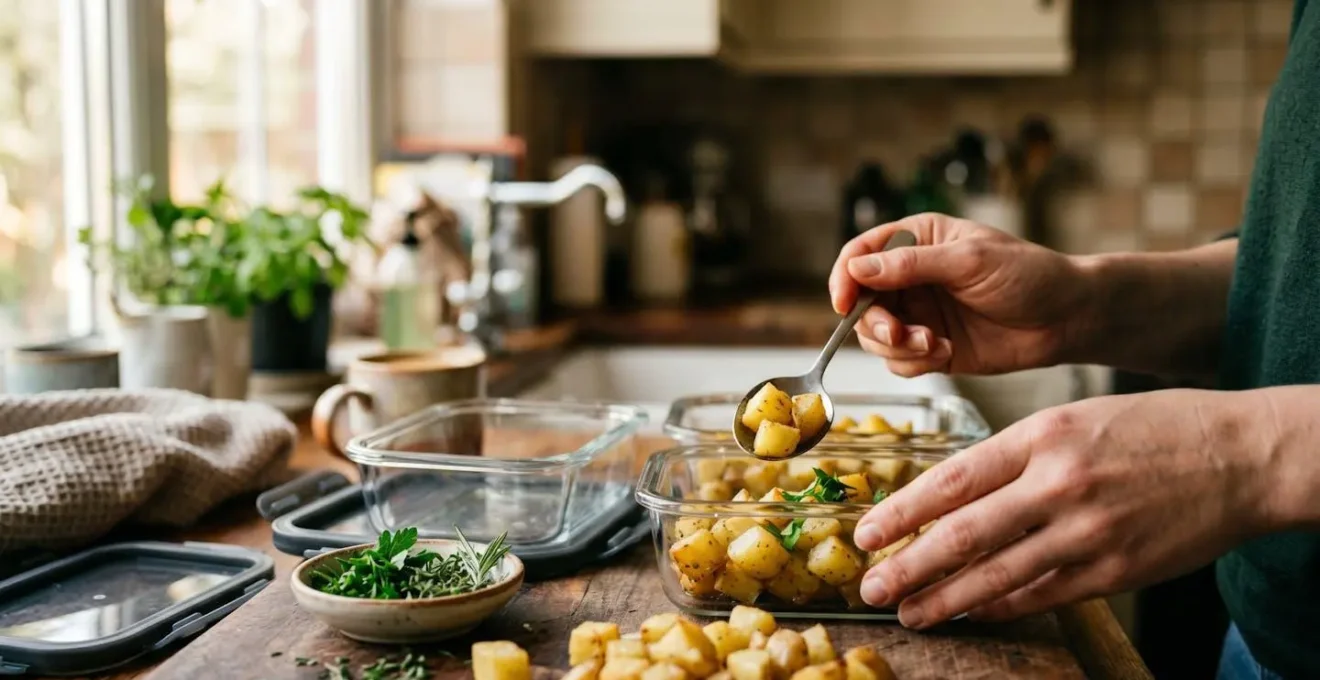
This technique is a game-changer for foodies who love carbs. It means you can include potatoes in your diet without the dramatic blood sugar consequences. Think of delicious, vinaigrette-based potato salads, or using cooled, roasted potato cubes as a hearty addition to a power bowl. This method not only blunts the initial glucose spike but can also have lasting benefits, improving insulin sensitivity over time and promoting a healthy gut microbiome as the resistant starch feeds beneficial bacteria. It’s a prime example of using simple food preparation to engineer a healthier outcome.
How to Build a “Power Bowl” That Keeps You Full for 5 Hours?
The concept of a “Power Bowl” is the ultimate expression of glycemic architecture. It’s not just a random assortment of healthy ingredients; it’s a carefully engineered meal designed to systematically trigger satiety hormones and provide a slow, sustained release of energy. A well-built bowl can easily keep you full and energized for five hours or more, making it the perfect lunch to power through a busy afternoon without a thought of snacking.
The formula involves layering specific components that each play a distinct metabolic role. You start with a base that slows absorption, add elements that trigger specific fullness hormones like GLP-1 and CCK, ensure sensory satisfaction to signal completion to the brain, and top it off with a low-GI carb for lasting fuel. This isn’t about restriction; it’s about strategic addition. Each layer builds upon the last to create a fortress of satiety.
By following a clear formula, you can turn any lunch into a metabolic masterpiece. The following plan breaks down the exact layering technique to maximize flavor and fullness, targeting the very hormones responsible for keeping you satisfied.
Your Action Plan: The Satiety Hormone-Targeting Power Bowl Formula
- Layer 1 – The Blood Sugar Blocker Base: Start with a massive bed of leafy greens (2-3 cups) tossed in a vinaigrette with apple cider vinegar. The fiber and acetic acid act as a pre-meal buffer, slowing absorption of everything else.
- Layer 2 – GLP-1 Triggers: Add 1/2 cup cooked lentils or oats, plus leafy greens to maximize GLP-1 (glucagon-like peptide-1) hormone production for prolonged satiety.
- Layer 3 – CCK Activators: Include 1/4 avocado, 1 hard-boiled egg, or 2 tablespoons nuts to trigger Cholecystokinin (CCK), the satiety hormone activated by fat and protein.
- Layer 4 – Sensory Satisfaction: Add ‘The Crunch’ (toasted seeds or crispy quinoa), ‘The Creaminess’ (tahini or cashew dressing), and ‘The Umami’ (mushrooms or miso) to signal satisfaction to the brain.
- Layer 5 – Low-GI Complex Carb: Top with 1/2 cup cooled quinoa or resistant starch from cooled potatoes for sustained energy without glucose spikes.
Stevia vs. Monk Fruit: Which One Won’t Trigger an Insulin Response?
For those looking to sweeten their food without any caloric or glycemic consequences, non-nutritive sweeteners are the go-to choice. The two most popular natural options are stevia and monk fruit. The great news is that from a pure blood sugar standpoint, both are excellent choices. Neither contains carbohydrates that break down into glucose, and therefore neither will directly cause a spike in blood sugar or trigger a significant insulin response when consumed in moderation.
Stevia, derived from the leaves of the *Stevia rebaudiana* plant, has been extensively studied. A controlled feeding study comparing various sweeteners confirmed that stevia consumption resulted in no significant differences in glucose tolerance when compared to a non-sweetener control. This gives it a solid scientific backing for use in a glycemic-conscious diet.
Monk fruit, or *Luo Han Guo*, gets its sweetness from compounds called mogrosides. Like the steviol glycosides in stevia, these are not absorbed as sugar and are excreted from the body. While it has been used for centuries in traditional Chinese medicine, it has less extensive modern clinical research behind it compared to stevia, but all available evidence points to it having a similar non-impact on glucose and insulin.
So, which to choose? For the foodie, the decision often comes down to taste. Stevia is notorious for having a slightly bitter or licorice-like aftertaste, which some people are very sensitive to. Monk fruit is generally considered to have a cleaner, more rounded sweetness with virtually no aftertaste, making it a preferred choice for many in coffee, tea, and baking. Ultimately, both are safe and effective tools for sweetness without the sugar, and personal preference is the best guide.
Key Takeaways
- Build with Buffers: Always include sources of fiber (chia seeds, leafy greens), protein (eggs, lentils), and healthy fats (avocado, nuts) to slow down carbohydrate digestion and trigger satiety hormones.
- Sequence Your Nutrients: The order in which you eat your food matters. Eating vegetables and protein before carbohydrates can dramatically blunt the subsequent glucose spike.
- Use Temperature as a Tool: Simple culinary techniques, like cooking and cooling starches (potatoes, rice), can transform them into low-glycemic resistant starches.
How to Regulate Glucose Spikes Without Giving Up Carbs Entirely?
The ultimate goal of a gourmet nutritionist’s approach is not to eliminate carbohydrates, but to control their impact. It’s about enjoying bread, pasta, and potatoes without the metabolic rollercoaster. The most powerful strategy to achieve this is nutrient sequencing—the art of eating your meal in a specific order. Groundbreaking research has shown that simply eating fiber-rich vegetables and protein *before* you eat carbohydrates acts as a powerful brake on glucose absorption. This simple change can be profoundly effective; in fact, studies demonstrate that eating fiber and protein before carbohydrates can reduce the post-meal glucose spike by up to 73%.
Beyond sequencing, you can employ several other “glycemic brakes”—simple additions or actions that help your body manage incoming carbohydrates more effectively. These are not drastic dietary changes but small, evidence-based tweaks that can be added to any meal. They work by slowing stomach emptying, improving insulin sensitivity, or helping your muscles soak up excess glucose from the bloodstream.
Integrating these strategies into your daily routine empowers you to take control of your metabolic health without sacrificing the foods you love. Here are four of the most effective glycemic brakes you can apply to your next carb-containing meal:
- The Apple Cider Vinegar Brake: Add 1 tablespoon of apple cider vinegar to a glass of water or salad dressing before your meal. The acetic acid has been shown to slow gastric emptying and blunt glucose absorption.
- The Nut Pre-Load Brake: Consume a small handful (about 1 ounce) of nuts like almonds or walnuts 15-30 minutes before a carb-heavy meal. The fat and protein pre-load slows digestion and blunts the subsequent glycemic response.
- The Cinnamon Metabolic Brake: Sprinkle 1/2 to 1 teaspoon of cinnamon on your oatmeal, yogurt, or in a smoothie. Compounds in cinnamon may help improve insulin sensitivity and slow the breakdown of carbohydrates in the digestive tract.
- The Post-Meal Movement Protocol: Take a simple 10-15 minute walk immediately after eating. This stimulates GLUT4 transporters in your muscles, which actively pull glucose out of your bloodstream to be used for energy, effectively soaking up a potential spike without requiring extra insulin.
By integrating these ingredient-focused strategies and culinary techniques, you can transform your relationship with food. Move from a mindset of restriction to one of intelligent, flavorful construction, and start building meals that delight your palate and deliver hours of stable, sustained energy.