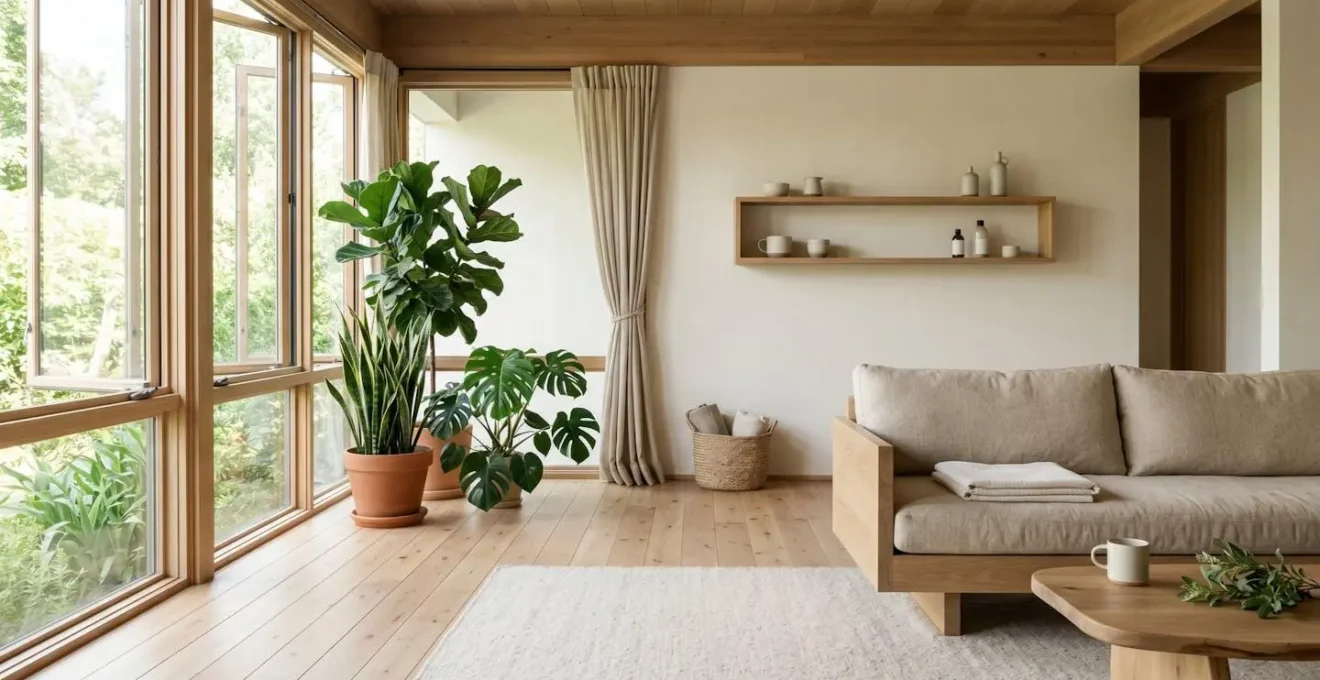
Creating a safe nursery isn’t about adding gadgets to a room; it’s about architecting a healthy ecosystem by eliminating pollutants at their source.
- Prioritize certified, low-emission furniture to prevent harmful chemicals (VOCs) from entering your home in the first place.
- Learn to identify and manage invisible threats like hidden mold, which can have serious cognitive impacts.
- Build a multi-layered filtration strategy as a final protective barrier, not a primary solution.
Recommendation: Begin by investigating the material composition of every new item you bring into the nursery, starting with furniture and textiles, to ensure they meet stringent, third-party safety standards.
Bringing a new baby home transforms your perspective. Suddenly, every detail of your environment is seen through a protective lens, especially the air they breathe. For homeowners renovating or furnishing a nursery, the desire for safety is paramount. You’re told to buy an air purifier, open a window, or add a few houseplants. While well-intentioned, these are merely reactions to a problem that has already taken root. We spend, on average, 90% of our time indoors, where pollutant levels can be significantly higher than outside. For a developing infant, this constant exposure is a critical concern.
The conventional approach to air quality is flawed because it focuses on cleaning up pollutants after they’ve been released. But what if the key wasn’t about constantly filtering a toxic space, but about preventing the toxins from ever entering? The true path to a healthy home lies in an architectural mindset: it’s about consciously designing a non-toxic ecosystem. This means focusing on source control—choosing materials that don’t pollute—and managing the entire environment, from the walls to the light, as an interconnected system. This guide will walk you through that process, giving you the tools to build a space that is structurally sound from a health perspective.
This article provides a blueprint for architecting that healthy ecosystem. We will deconstruct the sources of indoor pollution, empower you to make informed material choices, and show you how to layer protective systems for truly clean air. Follow this guide to build a nursery that is a sanctuary by design, not by chance.
Summary: A Blueprint for a Healthy Home Ecosystem
- Why Your New Sofa Smells Like Chemicals (And Why It Matters)?
- How to Find “Greenguard Gold” Furniture That Is Actually Safe?
- Greenwashing vs. Certified Organic: How to Spot Fake Eco-Labels?
- The Hidden Mold Behind Your Walls That Is Causing Your Brain Fog
- Which 3 Houseplants Actually Clean the Air in a Small Bedroom?
- Which Pink Noise Frequency Best Induces Delta Waves?
- Where to Place Your Lamp to Eliminate Glare and Eye Fatigue?
- How to Filter Air Effectively to Remove Micro-Plastics and Allergens?
Why Your New Sofa Smells Like Chemicals (And Why It Matters)?
That distinct “new furniture” smell, often mistaken for a sign of freshness, is actually the scent of chemicals being released into your home’s air. This process, known as off-gassing, involves Volatile Organic Compounds (VOCs) like formaldehyde leaching from the materials used in manufacturing—adhesives, foams, finishes, and fabrics. For a nursery, this is a critical structural concern. The initial smell is strongest right after installation; chamber tests on new furniture reveal that peak emissions often occur within the first 24 hours. Accelerating this process with heat and ventilation can help, but it doesn’t eliminate the problem.

The real issue is the longevity of these emissions. While the potent smell may fade, the off-gassing continues silently for a long time. This creates a chronic, low-level exposure to airborne chemicals, which is particularly dangerous for infants with developing respiratory and immune systems. Real-world testing shows the persistence of this threat: in newly remodeled homes, formaldehyde levels can take up to two years to return to normal after an initial 48% drop in the first year. Understanding this timeline reveals that choosing furniture isn’t just a design decision; it’s a long-term health investment in your home’s air quality.
From an architectural standpoint, the most effective solution is source control. By selecting materials that have no or very low VOCs to begin with, you design the problem out of your home’s ecosystem entirely, rather than attempting to mitigate it after the fact. This proactive approach is the foundation of a truly non-toxic space.
How to Find “Greenguard Gold” Furniture That Is Actually Safe?
Navigating the world of “eco-friendly” furniture requires a discerning eye, as not all certifications are created equal. For a nursery, where a child’s vulnerability is at its peak, the standard must be higher. Labels like GREENGUARD are a good starting point, but understanding their hierarchy is key. The GREENGUARD Gold certification is specifically designed for sensitive environments like schools and healthcare facilities, enforcing stricter limits on VOC emissions. However, even this “better” option primarily focuses on what comes out of the product (emissions), not necessarily what goes into it (materials and sourcing).
To provide a clear architectural framework for your decisions, the following table breaks down the most common certifications, moving from good to best in terms of holistic safety.
| Certification Level | Certification Name | What It Tests | Strength | Limitation |
|---|---|---|---|---|
| Good | GREENGUARD Certified | Tests for 360+ VOCs and 10,000+ chemicals; low emission limits | Widely recognized; focuses on VOC emissions | Tests emissions only; doesn’t address materials sourcing or flame retardants |
| Better | GREENGUARD Gold Certified | Stricter VOC limits than standard GREENGUARD; includes health-based criteria for sensitive populations | Appropriate for children’s rooms, schools, healthcare facilities | Still focuses primarily on chemical emissions rather than holistic product lifecycle |
| Better | OEKO-TEX Standard 100 | Tests textiles for 100+ harmful substances including pesticides, formaldehyde, heavy metals | Covers entire textile supply chain; regularly updated criteria | Applies to fabrics only, not entire furniture piece |
| Best | GOTS (Global Organic Textile Standard) | Requires 95%+ organic fibers; tests for environmental and social criteria across supply chain | Holistic approach covering ecology, toxicity, and labor practices | Limited to textile components; more expensive |
| Best | Made Safe Certified | Screens for 6,500+ known harmful chemicals across all product components | Whole-product approach; includes materials sourcing and manufacturing process | Less common in furniture market; fewer certified options |
Armed with this knowledge, you can act as your own quality inspector. Don’t just accept a label at face value. Ask retailers pointed questions to verify a product’s safety credentials. Inquire if the certification applies to the whole product or just a single component. Request material safety data sheets (MSDS) for adhesives and finishes, and confirm that no harmful flame retardants were used. Look for wood components labeled as ULEF (ultra-low emitting formaldehyde) or NAF (no added formaldehyde). Always verify a certification’s validity and date on the issuing organization’s official online database.
Greenwashing vs. Certified Organic: How to Spot Fake Eco-Labels?
The marketplace is flooded with vague and misleading environmental claims. Terms like “eco-friendly,” “all-natural,” and “green” are often used without any standardized definition or third-party verification. This practice, known as greenwashing, is rampant; a comprehensive analysis found that 95% of products claiming to be ‘green’ were guilty of some form of it. For a parent building a safe nursery, falling for these deceptive marketing tactics can introduce the very chemicals you’re trying to avoid. The key is to shift your focus from marketing language to verifiable data.
An architect doesn’t trust a building’s integrity based on a glossy brochure; they inspect the blueprints and material specifications. You must do the same for the products you bring into your home. Look for specific, measurable claims backed by reputable, third-party certifications. A self-created logo with a leaf or a nature scene is a major red flag—it often means the claim has no external validation. True certifications are tied to rigorous testing standards and provide public, verifiable registry numbers.
To protect your family, you need a clear framework for auditing these claims. Think of it as a structural inspection for marketing language. The following checklist helps you distinguish between meaningless buzzwords and trustworthy, data-backed certifications.
Your Action Plan: Auditing Environmental Claims
- Identify Red Flags: Be skeptical of vague, unprovable terms. “Chemical-free” is scientifically meaningless, and “eco-friendly” without certification is just an opinion.
- Demand Proof: Look for claims that reference a specific, third-party standard, such as “100% GOTS-certified organic cotton” or “UL GREENGUARD Gold Certified.”
- Seek Measurable Data: Trustworthy claims are often quantifiable. “Low-VOC” is good, but “Low-VOC with less than 50 g/L emissions” is better because it’s a verifiable fact.
- Distrust Self-Made Logos: A company’s own “green” seal of approval is marketing, not certification. Nearly 40% of such claims in the EU lack any supporting evidence.
- Verify the Certification: Use the certification or registry number to cross-check the product on the certifying organization’s official online database. This confirms the claim is current and legitimate.
The Hidden Mold Behind Your Walls That Is Causing Your Brain Fog
While we focus on chemicals from new products, a silent biological threat may already be compromising your home’s ecosystem: mold. Hidden behind walls, under flooring, or in damp closets, mold releases microscopic spores and toxic compounds called mycotoxins into the air. When inhaled, these mycotoxins can cross the blood-brain barrier and trigger neuroinflammation, leading to a range of cognitive symptoms collectively known as “brain fog.” This isn’t a vague feeling; it’s a measurable neurological impact.
Case Study: The Neurological Impact of Mycotoxin Exposure
A 2023 research study on individuals exposed to toxic mold provided clear evidence of this danger. The majority of the 31 participants showed reduced cognitive function, with impairments to memory and executive functions similar to those seen after a mild traumatic brain injury. Symptoms included confusion, difficulty concentrating, and forgetfulness, directly linking mycotoxin exposure from a water-damaged building to tangible brain fog.
For a new parent, whose cognitive load is already high, these symptoms can be debilitating. More importantly, it signals a compromised environment for a vulnerable infant. The first step in protecting your home is proactive detection. As an architect inspects a building’s foundation for cracks, you must audit your home for the foundational signs of moisture that allow mold to thrive. This doesn’t require expensive equipment; it starts with using your senses to perform a systematic room-by-room check.
Conduct a “5-Sense Mold Audit.” Use your nose to detect musty or earthy odors, especially after being away. Use your eyes to inspect for visual clues like peeling paint, discoloration on walls, or warped wood. Use your hands to feel for damp or cold spots on walls and around plumbing. Listen for hidden drips. Finally, track your family’s symptoms—do headaches or brain fog worsen at home and improve when you’re away for a few days? This “vacation test” is a strong indicator of an environmental trigger. Controlling humidity is also crucial; use a hygrometer to keep indoor levels between 40-50%, creating an environment where mold cannot flourish.
Which 3 Houseplants Actually Clean the Air in a Small Bedroom?
One of the most persistent myths in home health is that a few houseplants can effectively purify indoor air. This idea largely stems from a 1989 NASA study, but its findings are almost always taken out of context. The reality is far more modest, as the conditions of that experiment are nothing like a typical home. As leading researchers clarify, the study’s conclusions have significant limitations.
You’d need a dense jungle of plants to purify a room. The NASA Clean Air Study was conducted in a small, sealed chamber—not a realistic home environment.
– Environmental air quality researchers, Scientific context clarification on NASA 1989 study limitations
This doesn’t mean plants are useless; it means we must redefine their role. Instead of viewing them as magic VOC-scrubbers, we should approach them as functional components of a healthier bedroom ecosystem. Their benefits are real but are related to humidity regulation, nighttime oxygen production, and stress reduction—all of which are scientifically proven at a practical scale. For a nursery, the right combination of plants can create a more supportive sleep environment.
Consider this “Functional Trio” for a small bedroom:
- CAM Plant for Nighttime Oxygen: Plants like the Snake Plant or an Orchid use a process called Crassulacean Acid Metabolism (CAM), which causes them to release oxygen at night. This is the opposite of most plants and is ideal for a room where you sleep, slightly enriching the air’s oxygen content during rest.
- High-Transpiration Plant for Humidification: A Boston Fern acts as a natural humidifier. It releases moisture into the air through its leaves, which can help soothe respiratory passages and may cause airborne dust and particles to settle out of the air more quickly.
- Aromatic Plant for Stress Reduction: A potted Lavender or Scented Geranium provides gentle, natural aromatics. The scent of lavender, in particular, is linked to lower cortisol levels and a reduced stress response, which supports the body’s natural detoxification and restorative processes during sleep.
Which Pink Noise Frequency Best Induces Delta Waves?
Architecting a healthy home ecosystem extends beyond material air quality into the sensory realm. The soundscape of a room, especially a nursery, is a critical and often overlooked environmental factor that directly impacts rest and neurological restoration. While silence might seem ideal, a consistent, gentle sound can mask disruptive noises and promote deeper sleep. This is where pink noise becomes a powerful architectural tool. Unlike white noise, which has equal energy across all frequencies, pink noise is more balanced, with less high-frequency energy, making it sound “softer” and more natural—like rustling leaves or a steady rainfall.
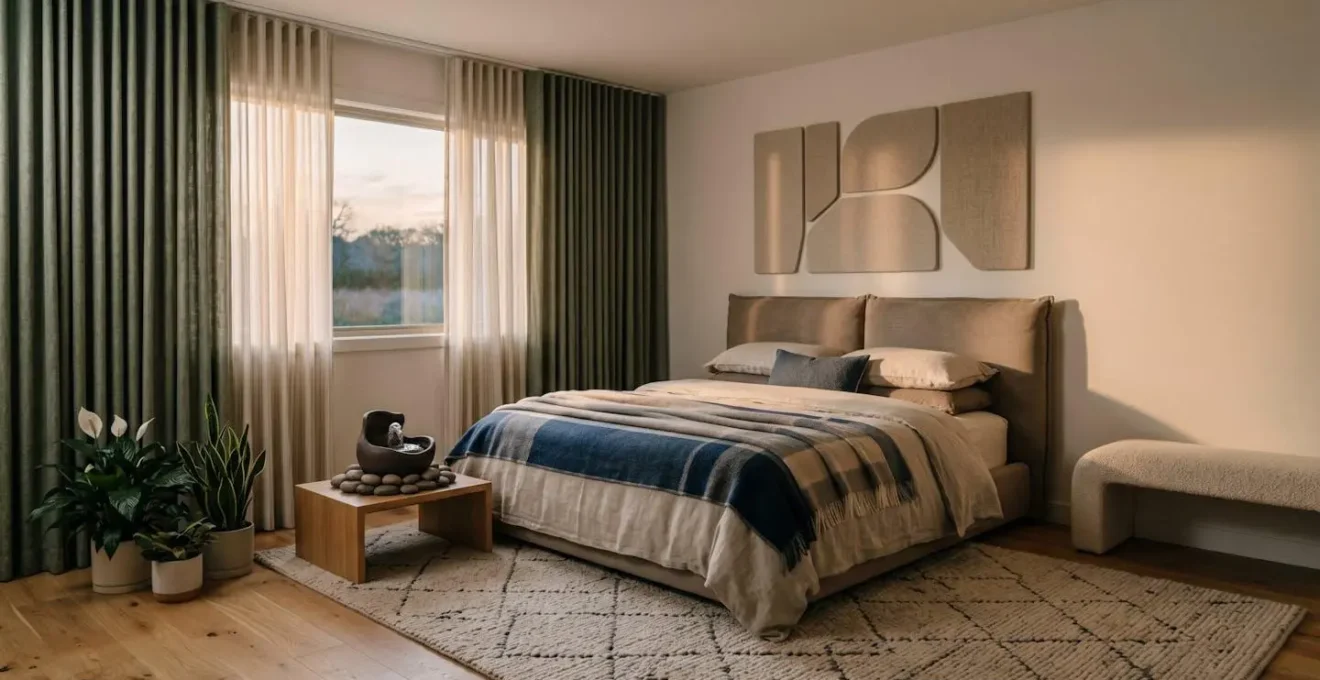
The primary goal of using pink noise for sleep is to encourage the brain to enter and maintain deep sleep, which is characterized by delta waves (0.5-4 Hz). Research suggests that pink noise is particularly effective at this. While there isn’t one single “magic” frequency, studies have shown that pink noise synchronized with the brain’s own slow-wave oscillations can enhance deep sleep. The key is the consistency and the spectral distribution of the sound, not a specific tone.
The most effective pink noise for sleep induction is not about frequency but about quality and consistency. Look for a high-quality sound machine that produces non-looping pink noise. The ideal sound is a steady, low-rumble sound profile that effectively masks sudden noises like a door closing or traffic outside without introducing any jarring high-pitched elements itself. By creating this stable and soothing auditory foundation, you are designing a soundscape that protects sleep and supports the brain’s natural cycles of rest and recovery, making it an essential layer in a truly restorative nursery environment.
Where to Place Your Lamp to Eliminate Glare and Eye Fatigue?
Just as soundscapes and air quality shape your home’s ecosystem, so does light. The placement and quality of light in a room are not just aesthetic choices; they are powerful environmental signals that regulate our biology. For a nursery, a proper lighting strategy is crucial for establishing healthy sleep patterns and avoiding visual discomfort. The biggest mistake is relying on a single, harsh overhead light, which creates glare and forces the eyes to constantly readjust. The architectural solution is to use layered lighting that works with, not against, our natural circadian rhythm.
Your lighting strategy should change throughout the day to mimic the natural progression of sunlight. This supports the body’s production of cortisol (for wakefulness) and melatonin (for sleep). Here is a simple, effective plan for a nursery or any bedroom:
- Morning (6am-12pm): Maximize exposure to bright, blue-rich light (above 5000K). Open the curtains to let in natural daylight. If using artificial light, position it overhead to mimic the sun’s high position in the sky. This signals “daytime” to the brain.
- Afternoon (12pm-6pm): Maintain bright, productive light (4000-5000K). For tasks like reading, position a dedicated task light to the side of the book or surface, below eye level. This illuminates the task without shining directly into your eyes or creating reflective glare.
- Evening (6pm-10pm): This is the most critical phase. Transition to very warm, dim light (under 2700K, ideally amber tones around 2200K). Avoid all overhead lighting. Use low-wattage, shielded lamps positioned below eye level. This mimics a sunset and signals the brain to begin producing melatonin, preparing the body for sleep.
To eliminate glare and eye fatigue, the cardinal rule is to never have a bare bulb in your direct line of sight. Use lamps with shades or diffusers. Position task lights about 15-20 inches to the side of your work area, not in front or behind, to prevent shadows and reflections on screens or glossy pages. By designing the light in layers and adjusting it for time of day, you create a visual environment that is comfortable, functional, and biologically supportive.
Key Takeaways
- The most effective strategy for clean air is source control: prevent pollutants from entering your home by choosing certified non-toxic materials.
- Third-party certifications (like Made Safe or GOTS) are far more reliable than vague marketing terms like “eco-friendly” or “all-natural.”
- A healthy home is an ecosystem; invisible factors like mold, light, and sound have a direct and measurable impact on your family’s well-being.
How to Filter Air Effectively to Remove Micro-Plastics and Allergens?
After you have addressed the primary sources of pollution, the final layer in your home ecosystem is active filtration. This is your defense against the particles that inevitably remain—dust, pollen, allergens, and increasingly, airborne micro-plastics. Research now shows that synthetic textiles like polyester blankets and nylon carpets are a primary source of this indoor plastic pollution. The most powerful strategy, as confirmed by research on indoor air pollutants, remains source control. Opting for natural fibers like cotton, wool, and linen for bedding, clothing, and rugs drastically reduces the plastic load before it ever becomes airborne.
For the remaining particulates, a single air purifier is not enough. An architectural approach requires a multi-layered filtration system that works across your entire home. This creates redundant layers of protection, capturing particles at different points in the environment. This system is not a replacement for source control, but a crucial support structure for maintaining clean air.
This whole-house system consists of three essential layers:
- Layer 1 – HVAC System Filter: This is your home’s first line of defense. Install a high-efficiency filter with a MERV rating of 11-13 in your central furnace or air conditioning system. This captures a significant portion of airborne particles as air circulates throughout the entire house. Remember to replace it every 3 months.
- Layer 2 – Portable HEPA Purifier: For targeted purity, especially in the nursery, a portable air purifier with a true HEPA filter is non-negotiable. HEPA filters are certified to capture 99.97% of particles as small as 0.3 microns. Size it correctly for the room: the unit’s Clean Air Delivery Rate (CADR) should be at least two-thirds of the room’s square footage (e.g., a 150 sq ft room needs a CADR of 100 or more).
- Layer 3 – HEPA-Filtered Vacuum: Particles settle on surfaces. A vacuum with a sealed system and a HEPA filter is essential to remove them before they become airborne again. Vacuuming at least twice a week removes settled dust, allergens, and micro-plastics from floors and upholstery.
By implementing this three-tiered strategy, you create a robust system that actively manages and removes harmful particulates from your home’s air. It’s the final, crucial step in ensuring your carefully designed ecosystem remains clean and safe.