
Contrary to popular belief, crippling soreness isn’t a badge of honor; it’s a barrier to consistency. The key to reducing it isn’t passive waiting, but active, immediate recovery strategies.
- Conventional painkillers (NSAIDs) can significantly hinder muscle growth by blunting the body’s natural adaptation signals.
- Active recovery protocols, like “flush” sessions and contrast showers, are designed to clear metabolic waste and downregulate your nervous system, not just treat symptoms.
Recommendation: Shift your focus from “enduring” pain to actively managing your recovery the moment your workout ends. This allows you to train more frequently and see better results.
You’ve just crushed a heavy workout. You feel accomplished, powerful, and ready to conquer the world. But then, the next morning arrives. Every muscle aches. Getting out of bed feels like a monumental task, and the thought of going to the gym again is laughable. For many beginners, this crippling Delayed Onset Muscle Soreness (DOMS) is the number one reason they fall off the wagon. The pain feels like a punishment, not a reward, and it sabotages the very consistency needed to make progress.
The standard advice is often well-meaning but incomplete: drink more water, get some sleep, maybe do a few stretches. While these are all good habits, they treat recovery as a passive waiting game. They fail to address the immediate physiological storm happening in your body post-exercise. This approach leaves you at the mercy of the pain, hoping it subsides in a few days. But what if the secret to less soreness wasn’t about waiting, but about taking immediate, strategic action?
The real key to managing post-workout pain lies in actively downregulating your nervous system and strategically modulating inflammation the moment you finish your last rep. It’s about shifting your body from a state of high stress to one of accelerated repair. This isn’t about avoiding all discomfort; it’s about managing it so effectively that it no longer dictates your training schedule. It’s the difference between being sidelined for three days and being ready for your next session in one.
This guide will walk you through the practical, science-backed strategies to do just that. We’ll dismantle the “no pain, no gain” myth, explore powerful techniques like contrast showers and targeted nutrition, and reveal the common recovery mistakes that are secretly sabotaging your muscle growth. Prepare to transform your approach from enduring pain to mastering recovery.
To navigate this new approach to recovery, we have structured this guide to provide you with clear, actionable steps. The following summary outlines the key areas we will explore to help you manage soreness and enhance your training consistency.
Table of Contents: A Strategic Guide to Immediate Post-Workout Recovery
- Why Soreness Is Not a Good Indicator of Workout Quality?
- How to Use Hot and Cold Contrast Showers to Mitigate Pain?
- Spray vs. Pills: Which Magnesium Form Targets Muscle Pain Best?
- The Painkiller Mistake That Stops Muscle Growth in Its Tracks
- When to Drink Tart Cherry Juice to Prevent Tomorrow’s Pain?
- How to Design a 20-Minute “Flush” Session That Removes Lactic Acid?
- Turmeric vs. NSAIDs: Which Is More Effective for Post-Workout Swelling?
- How to Use Active Recovery to Train More Often Without Burning Out?
Why Soreness Is Not a Good Indicator of Workout Quality?
For decades, the fitness mantra has been “no pain, no gain.” We’ve been taught to chase the burn and welcome next-day soreness as proof of a job well done. I understand the appeal; it feels like tangible feedback. But as a trainer, I need you to unlearn this. Crippling soreness is not a reliable measure of a productive workout; in fact, it often indicates you’ve overshot your capacity for recovery, which is the enemy of consistency.
Muscle growth, or hypertrophy, is primarily driven by two factors: mechanical tension (lifting a challenging weight through a full range of motion) and metabolic stress. Muscle damage is only a small part of the equation, and the soreness you feel (DOMS) is a surprisingly poor proxy for it. In fact, scientific literature shows only weak correlations between DOMS and muscle damage markers. You can have a fantastic, growth-stimulating workout and feel only mild soreness, or you can do a novel, sloppy workout and be unable to walk for days with minimal adaptive benefit.
As experts in the field of strength and conditioning continually emphasize, the focus should be on the quality of the work performed, not the pain felt afterward. This is a crucial mental shift for anyone serious about long-term progress.
mechanical tension and metabolic stress are the primary drivers of hypertrophy. In simpler terms, consistent quality work beats chasing pain every time.
– Bersiner et al., Muscle Hypertrophy and Strength Training Study
Instead of using pain as your compass, focus on metrics that truly matter: Are you getting stronger over time? Is your form improving? Can you complete more reps or sets with the same weight? This is progressive overload, and it’s the real engine of change. Chasing soreness is a beginner’s trap that leads to burnout and skipped sessions.
How to Use Hot and Cold Contrast Showers to Mitigate Pain?
One of the most effective and immediate tools in your recovery arsenal is the contrast shower. It might sound intimidating, but I promise the benefits are worth the initial shock. The principle behind it isn’t just about “waking you up”; it’s a powerful physiological process. By rapidly alternating between hot and cold water, you create a “vascular pump” effect. The heat causes vasodilation (widening of blood vessels), and the cold causes vasoconstriction (narrowing). This rapid pumping action helps to flush out metabolic byproducts and reduce inflammation in the muscles, accelerating the repair process.
Think of it as actively clearing out the “debris” from your workout, rather than just letting it sit there and cause pain. It’s a direct intervention that takes just a few minutes but can dramatically reduce next-day soreness. For beginners, this can be the difference between feeling stiff and feeling ready to go. The key is to follow a structured protocol to maximize the effect, rather than just randomly switching the tap.
Here is a simple, evidence-based protocol to follow immediately after your workout:
- Heat Phase: Spend 2-3 minutes under comfortably hot water (around 38-40°C or 100-104°F). Focus the water on the muscle groups you just trained.
- Cold Phase: Switch to cold water (as cold as you can tolerate, ideally 8-10°C or 46-50°F) for 1-2 minutes. Again, direct the flow to the worked muscles. This is the tough part, so focus on your breathing.
- Repeat: Complete 3 to 4 total cycles of hot-cold.
- Finish Cold: Always, always end on a cold cycle. This final blast of cold ensures your blood vessels are constricted before you get out, which helps to minimize residual inflammation and swelling.
This simple routine, performed immediately post-workout, sends a powerful recovery signal to your body. It’s an active step you can take to manage soreness before it even has a chance to fully set in, helping you stay on track with your training schedule.
Spray vs. Pills: Which Magnesium Form Targets Muscle Pain Best?
Magnesium is a vital mineral for athletes and anyone who exercises regularly. It plays a role in over 300 enzymatic reactions in the body, including muscle contraction, nerve function, and protein synthesis. When you’re sore, it’s often one of the first supplements people recommend. But walking down the supplement aisle reveals a confusing choice: should you use a topical spray or take an oral pill? The answer depends on your goal: targeted relief versus systemic recovery.
This image highlights the variety of supplemental forms available, from powders to capsules, each with a different role in your recovery strategy.
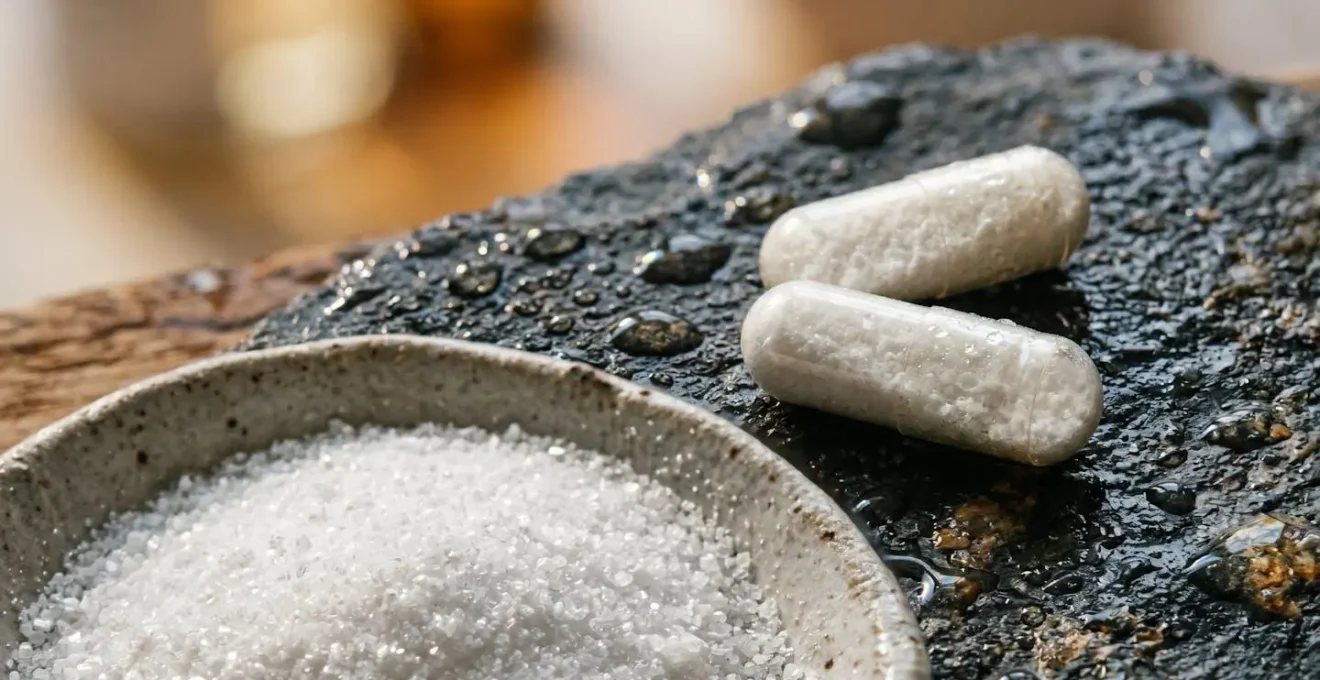
As you can see, the options are plentiful. Topical magnesium spray is designed for direct application to a specific sore area, like your quads or biceps. The theory is that it’s absorbed transdermally (through the skin), bypassing the digestive system for fast, localized action. While research on absorption rates is ongoing, many people find it provides an immediate soothing sensation and helps relieve muscle cramps. Think of it as a targeted tool for acute soreness.
On the other hand, oral magnesium supplements (pills or powders) work systemically. They replenish your body’s overall magnesium stores, which are depleted through sweat and intense exercise. This is crucial for deeper recovery, improving sleep quality (especially forms like magnesium glycinate), and supporting your nervous system. You won’t feel an immediate effect on a single muscle, but it provides the foundational support your entire body needs to repair and adapt. For a beginner whose entire body might be sore, ensuring adequate systemic levels is non-negotiable. The best strategy is often a combination: use an oral supplement daily for overall recovery and a topical spray for extra attention on particularly sore spots.
The Painkiller Mistake That Stops Muscle Growth in Its Tracks
When you’re really sore, the temptation to reach for a common over-the-counter painkiller like ibuprofen is strong. It seems like a logical quick fix to get you through the day. I’m here to tell you, with all the sympathy of a trainer who has been there: please don’t. While it might temporarily dull the pain, you are simultaneously killing your gains. This isn’t an exaggeration; it’s a well-documented biological reality.
The inflammation you experience after a workout isn’t just a random side effect; it’s a critical part of the muscle-building process. This inflammatory response triggers the anabolic signalling cascades that tell your body to repair the damaged muscle fibers and build them back stronger. When you take a non-steroidal anti-inflammatory drug (NSAID) like ibuprofen, you’re essentially cutting off this vital communication line. A landmark study from the Karolinska Institutet found that high doses of ibuprofen resulted in a 50% reduction in muscle growth in the quadriceps compared to a group taking low-dose aspirin over eight weeks. You are literally working twice as hard for half the results.
The mechanism is clear: these drugs interfere with the very cells responsible for muscle repair and growth. The temporary relief you get comes at a steep price for your long-term progress.
NSAIDs inhibit satellite cell proliferation for up to 8 days after a bout of maximal eccentric exercise, and blunt anabolic signalling in the hours following a bout of unaccustomed high-intensity resistance exercise.
– Mallinson et al., The Journal of Physiology – NSAID ingestion effects on muscle hypertrophy
So, what’s the takeaway? Enduring some discomfort is far better than sabotaging the very adaptation you’re training for. The strategies in this article provide effective ways to manage pain without shutting down the growth process. Save the painkillers for injuries or when prescribed by a doctor, not as a routine post-workout “supplement.”
When to Drink Tart Cherry Juice to Prevent Tomorrow’s Pain?
After the stark warning about painkillers, you’re likely looking for a safer alternative to manage inflammation. Enter tart cherry juice. This isn’t a folk remedy; it’s a food-based strategy backed by a growing body of sports science research. Tart cherries are packed with powerful antioxidants and anti-inflammatory compounds called anthocyanins, which give them their deep red color. These compounds work to modulate the body’s inflammatory response in a much more subtle and beneficial way than NSAIDs.
Unlike painkillers that act like a sledgehammer, shutting down crucial growth signals, the compounds in tart cherry juice work more like a scalpel. They help to manage excessive inflammation and oxidative stress caused by intense exercise, but without completely blunting the necessary adaptive signals. This means you get the benefit of reduced soreness and faster recovery without sacrificing your hard-earned gains. For a beginner, this can make the difference between feeling overwhelmed by pain and feeling ready for the next challenge.
But to get the most out of it, timing is everything. You can’t just drink it randomly and expect results. For optimal effect, you should follow a dual-dose protocol:
- Dose 1: Immediately Post-Workout. Consume one serving (about 8-12 ounces or 240-350ml of juice, or a concentrated shot) within 30-60 minutes of finishing your training. This helps to combat the initial wave of inflammation.
- Dose 2: One Hour Before Bed. A second serving before sleep provides your body with another dose of anthocyanins to support the repair processes that are most active overnight. It can also promote better sleep, further enhancing recovery.
Look for 100% tart cherry juice (often Montmorency) with no added sugar, or a high-quality concentrate or capsule form. By strategically timing your intake, you can effectively use this natural tool to prevent tomorrow’s pain today.
How to Design a 20-Minute “Flush” Session That Removes Lactic Acid?
One of the biggest misconceptions in fitness is that muscle soreness is caused by “lactic acid buildup.” This has been largely debunked; lactic acid is cleared from your muscles relatively quickly after exercise. The lingering soreness is due to micro-trauma and inflammation. However, the idea of a “flush” session is still incredibly valuable, not for lactic acid, but for clearing other metabolic byproducts and, more importantly, for downregulating your nervous system.
After a tough workout, your sympathetic nervous system (your “fight or flight” response) is in high gear. An active recovery or “flush” session is a low-intensity routine designed to gently shift you back into a parasympathetic (“rest and digest”) state, where true recovery happens. It involves light, cyclical movements that increase blood flow without adding any significant training stress. This helps deliver oxygen and nutrients to your muscles while carrying away waste products. Think of it as a gentle cool-down with a powerful purpose.
The goal is restoration, not exertion. This type of session should feel calming and restorative, setting the stage for optimal repair.

Your 20-Minute Recovery Audit and Flush Protocol
- Minutes 0-10 (Metabolite Clearance): Perform cyclical movement on a bike, rower, or cross-trainer at 50-60% of your max heart rate. The effort should feel like a 3 out of 10. The goal is to promote blood flow without creating more fatigue.
- Minutes 10-15 (Mobility Flow): Move to dynamic, gentle mobility work. Focus on the muscle groups you trained. Examples include hip circles, cat-cow stretches, and shoulder pass-throughs. The goal is to restore range of motion, not force a deep stretch.
- Minutes 15-20 (Parasympathetic Activation): Lie on your back and perform guided diaphragmatic breathing. Inhale for 4 seconds through your nose, feeling your belly rise, and exhale slowly for 6 seconds through your mouth. This directly stimulates the vagus nerve, initiating a powerful relaxation response.
- Movement Principle Check: Did you choose an activity fundamentally different from your main training? (e.g., swimming for a lifter, walking for a runner). This prevents repetitive strain.
- Goal Clarification Check: Was the primary goal to downregulate your nervous system and promote recovery, rather than burning calories or adding training volume? If you feel tired after, the intensity was too high.
This 20-minute investment is one of the highest-return activities you can do for your long-term progress. It teaches your body to switch off the stress response and switch on the repair process more efficiently.
Turmeric vs. NSAIDs: Which Is More Effective for Post-Workout Swelling?
We’ve established that the inflammatory response is a necessary signal for muscle growth. This is a crucial point that bears repeating, especially as we compare different anti-inflammatory options. As a leading researcher in muscle physiology states, this process is not something to be completely eradicated.
muscular inflammation processes when combined with weight training are beneficial to the long-term development of new muscle mass, at least in the young
– Dr. Tommy Lundberg, Karolinska Institutet Department of Laboratory Medicine
This is where the distinction between NSAIDs and a natural compound like turmeric becomes critical. They are not interchangeable. While both can reduce swelling, they do so in profoundly different ways. An NSAID is a blunt instrument, whereas curcumin, the active compound in turmeric, is a precision tool for inflammation modulation.
Case Study: Curcumin’s Multi-Pathway Action vs. NSAIDs’ Blunt Force
NSAIDs work primarily by aggressively blocking an enzyme called COX-2. While this reduces pain and swelling, COX-2 is also essential for producing prostaglandins, which are vital for activating satellite cells and kickstarting muscle protein synthesis—the very foundation of growth. By shutting down COX-2, you’re effectively silencing the “build back stronger” signal. In contrast, curcumin from turmeric works on multiple inflammatory pathways, including NF-κB signaling. It helps to manage excessive inflammation without completely shutting down the COX-2 pathway. This allows the essential adaptation signals to continue while keeping systemic inflammation in check. However, a major challenge with standard curcumin is its extremely poor bioavailability. For it to be effective, it must be consumed with an absorption enhancer like piperine (black pepper extract), which can increase absorption by up to 2000%, or in specialized formulations that complex it with phospholipids or essential oils.
The lesson here is clear. If you’re looking to manage post-workout swelling without compromising your gains, a bioavailable curcumin supplement is a far smarter choice. It respects the body’s natural processes, helping to control the fire without completely extinguishing the pilot light needed for growth.
Key Takeaways
- Soreness is a poor indicator of workout quality; focus on progressive overload and consistent effort instead.
- Recovery is an active process that starts immediately post-workout, using tools like contrast showers and flush sessions to downregulate the nervous system.
- Avoid common painkillers (NSAIDs) as they can significantly hinder muscle growth by blunting essential anabolic signals.
How to Use Active Recovery to Train More Often Without Burning Out?
We’ve covered a lot of individual tactics, but the ultimate goal that ties them all together is consistency. The reason we want to manage soreness isn’t just for comfort; it’s because unmanaged pain is the biggest killer of consistency for beginners. When you’re too sore to move, you skip workouts. Skipped workouts lead to lost momentum and, eventually, giving up. Active recovery is the strategic framework that prevents this cycle of burnout. The stakes are high; failing to manage recovery properly has a measurable negative impact on your ability to perform. Recent 2024 research reveals that unmanaged DOMS can lead to a 43.5% decrease in eccentric strength and a 31% increase in injury risk due to compensatory movement patterns.
Active recovery is the umbrella term for all the low-intensity activities you perform between your main training sessions to enhance your body’s ability to repair and adapt. This includes the flush sessions, mobility work, and even just going for a walk. The key is to learn to listen to your body and give it what it needs to be ready for the next challenge. A crucial part of this is monitoring your body’s readiness to train, a practice symbolized by checking in with your body’s signals.

This image of checking a pulse point represents a deeper concept: monitoring your systemic recovery. Advanced athletes use metrics like Heart Rate Variability (HRV), which measures the variation in time between heartbeats. A high HRV is generally a sign that your parasympathetic nervous system is active and you’re well-recovered. A low HRV can indicate lingering stress and that you may need an easier day or a full rest day. While you may not need a fancy device as a beginner, the principle is the same: pay attention to signals like your morning resting heart rate, sleep quality, and overall energy levels. If you wake up feeling wrecked, another high-intensity session is a recipe for disaster. Opt for an active recovery session instead.
By integrating these active recovery methods, you’re not being “soft”; you’re being smart. You’re building a sustainable training practice that allows you to show up more often, perform better when you do, and ultimately reach your goals faster than someone who follows a punishing “all or nothing” approach.
Your next step is to move from theory to practice. Start by picking just one or two of these strategies to implement after your next workout. Don’t try to do everything at once. Perhaps start with a 10-minute contrast shower or a 20-minute flush session. Build your personal recovery ritual one piece at a time to create a system that keeps you in the game for the long haul.